
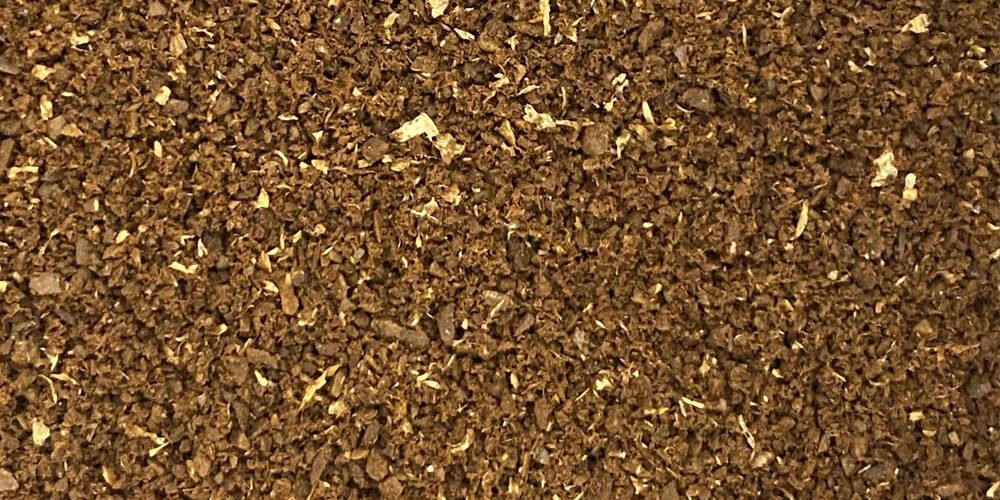
Chaff, or coffee husk, is a byproduct generated during the roasting process. Although it is often considered simple waste, its influence on coffee flavor has sparked interest and debate among lovers of this beverage.
As we explore the role of chaff, it is important to understand its composition and how it can affect coffee’s flavor profile. Coffee Sapiens delves into this mystery to discover what impact chaff has on our coffee experience.
Definition and composition of chaff
Chaff, a byproduct of coffee roasting, is an essential part of the preparation process with its own history and characteristics. Understanding its definition and composition is a first step toward exploring its impact on the flavor of this beverage.
Origin and formation of chaff in coffee beans
Chaff forms during the roasting process, when coffee beans are exposed to high temperatures. As the bean heats up, the water contained inside vaporizes and causes the outer skin to expand and detach. This process means that chaff is inevitable in any preparation that follows a conventional roasting method.
Chemical components present in chaff
Although it is commonly considered waste, chaff is composed of a variety of chemical components that can influence coffee quality. Among the main elements are:
- Cellulose
- Lignin
- Essential oils
- Volatile compounds
These components, although not edible, interact with the coffee during preparation, which could modify the consumer’s sensory experience. As a result, chaff can alter extraction conditions and, potentially, the flavor of the coffee.
Variations according to coffee variety and treatment
The composition of chaff is not uniform and can change significantly depending on the coffee variety and its treatment prior to roasting. Some factors that influence these variations include:
- Type of bean (Arabica, Robusta, etc.)
- Drying techniques used
- Growing and harvesting conditions
These differences in the composition of chaff can influence its interaction with the coffee during preparation, causing each coffee variety to present a unique and complex flavor profile.
Influence of chaff on coffee flavor
The presence of chaff in coffee preparation has sparked debate about how it can influence the beverage’s flavor profile. Different aspects related to this influence are explored below.
Sensory perception and expert opinions
The sensory perception of coffee is a fascinating and complex aspect. Many tasters claim that chaff itself does not contribute direct flavors, but its presence can alter the way coffee flavors are perceived. Some experts suggest that coffee with chaff present may have a more “earthy” or less defined taste, which can lead to a less satisfying experience for those seeking a sharp and clean flavor profile. However, there are also those who maintain that, if the beans are selected well, the influence of chaff becomes irrelevant. Bean quality and the way it is handled are crucial.
Does chaff add flavors or modify the flavor profile?
The debate over whether chaff adds flavors to coffee or simply modifies it is ongoing. Most tasters agree that the husk, on its own, does not have an impactful flavor profile. However, when chaff is allowed to mix with the ground coffee, it can affect the extraction of flavor compounds. This process can alter the dynamics between water and coffee, making some flavors more or less prominent. For example, the interaction of chaff with water could lead to uneven extraction, resulting in a final result that does not highlight the nuances expected from a good coffee.
The role of chaff in beverage quality
Chaff can be considered an indicator of brew quality. If it is present in significant amounts, it may suggest poor handling of the bean and the grind. Meticulous baristas prefer to remove chaff before brewing coffee, as they believe that its removal helps achieve a purer and more refined cup. However, there is a growing trend that advocates accepting chaff as part of the natural process, arguing that this can add an authentic dimension to the experience. Perception of chaff can also vary among consumers; some may notice its effect on flavor, while others may not attach importance to it. This variability underscores the importance of experimenting and finding the perfect balance that satisfies each palate.
Scientific studies and recent findings
The influence of chaff on coffee flavor has sparked growing interest in the scientific community. Various studies have begun to examine this phenomenon through the lens of rigorous research.
Methodologies used in chaff research
In the quest to understand the impact of chaff, multiple methodologies have been implemented. The most common techniques include laboratory analyses in which the chemical properties of chaff and its interaction with coffee beans are evaluated. Some studies have also employed controlled tasting protocols, in which panels of experienced tasters precisely evaluate how the presence of chaff can influence the sensory profile of different coffee preparations. The combination of these approaches makes it possible to observe both the direct effect of chaff and its influence on the overall coffee experience.
Impact of chaff on coffee extraction and composition
Preliminary findings suggest that chaff can have a significant effect on the extraction of flavors during coffee preparation. This is because chaff, when interacting with water, could alter the ideal proportions necessary for proper extraction of aromatic and flavor compounds. This phenomenon results in variation in the intensity and complexity of the final flavors. Research indicates that, as the amount of chaff in the mixture increases, coffee quality could be affected, altering the balance of the expected sensory profiles and highlighting the importance of the proportion between chaff and coffee beans.
Moisture retention and its effect on brewing
An important aspect of chaff is its ability to retain moisture. This characteristic can have a notable impact on the coffee preparation process. When chaff is incorporated into ground coffee, moisture retention can hinder proper flavor extraction, as excess water can interfere with the release of oils and soluble compounds. Studies have shown that managing moisture in chaff, as well as removing it, can significantly improve the quality of the resulting beverage. Understanding this aspect opens new avenues for optimizing coffee preparation and maximizing its sensory potential.
Relationship between chaff, brewing method, and flavor
The interaction between chaff and different coffee brewing methods can notably influence the flavor profile and quality of the final beverage.
Influence of chaff in immersion methods
In methods such as the French press or coffee bag brewing, the presence of chaff can be more noticeable. The prolonged contact of ground coffee with water allows chaff to interfere directly in the extraction process. This contact can lead to flavor results that vary depending on the amount of chaff that remains in the mixture.
Enthusiasts have noted that a higher chaff content can lead to a harsher or more bitter taste due to the altered water-to-coffee ratio. It is essential to take into account how chaff could modify the sensory experience when using these brewing methods.
Effect of chaff in filter brewing and espresso
On the other hand, in filter brewing and espresso, chaff tends to be more easily removed. In these cases, its direct impact on flavor is more limited. However, in espresso, the high water pressure promotes a more complete extraction of coffee compounds, which can make even small amounts of chaff affect flavor balance.
The effect of chaff may be more subtle in these methods, but it can still influence texture and crema, aspects that are crucial for coffee lovers.
Brewing adjustments to control the presence of chaff
To maximize beverage quality, many experts recommend adjusting the brewing technique according to the amount of chaff. This may include using finer filters or grinding the coffee to a different size to reduce the amount of chaff that mixes with the ground coffee.
- Use grinders that minimize chaff production.
- Sift the ground coffee before brewing.
- Adjust the steeping time to maintain the desired balance.
Implementing these techniques can mean a significant improvement in the overall coffee experience.
Debates and opinions within the coffee world
Discussions about chaff and its influence on coffee are not only technical. These debates reflect the passion and diversity of opinions in the coffee community. Some of the most interesting positions are analyzed below.
Positions of baristas and professional tasters
Baristas and tasters play a key role in the discussion about chaff. Opinions vary enormously among professionals. Some argue that chaff should be removed to achieve an optimal experience, since any unwanted particle could interfere with flavor purity. However, others argue that this concern is exaggerated and that small amounts of chaff can be part of the process without ruining quality.
- Baristas who remove chaff maintain that its presence indicates a lack of attention in preparation.
- Tasters argue that chaff adds an authentic element to the sensory experience.
Trends toward natural methods and their impact on flavor
In recent years, a trend toward more natural and less processed brewing methods has emerged. Many enthusiasts see chaff as a component that should be accepted as part of the coffee ritual. This approach seeks to emphasize the connection with the bean and its origin, often favoring the experience over technical perfection.
- The use of techniques that allow chaff to be retained is promoted, arguing that it could contribute unique nuances to the flavor.
- Critics of this trend warn that this could compromise the final quality of the beverage.
The balance between bean quality and the presence of chaff
The discussion about chaff invites reflection on the quality of the bean as a whole. Some experts believe that if the coffee is of high quality, the presence of chaff becomes a secondary factor. In this sense, a balance is proposed in which the value of a good bean is recognized, which can make small details, such as chaff, have minimal impact on the final result.
- The importance of careful bean selection and brewing technique is emphasized.
- Coffee quality should be the priority, regardless of the chaff present.
Common problems and the search for solutions to manage chaff
Managing chaff can present several challenges during coffee preparation. These inconveniences can affect the quality of the final beverage. The typical problems and the solutions that can be implemented are discussed below.
Problems caused by chaff particles in brewing
Chaff particles can interfere with the coffee preparation process. Some of the most common problems include:
- Flavor alteration: The presence of chaff can introduce unwanted flavors if it mixes with the ground coffee, affecting the tasting experience.
- Inconsistency in extraction: Variability in the amount of chaff can generate differences in the extraction of aromatic compounds, resulting in unpredictable flavor profiles.
- Difficulty in visual assessment: Chaff can make it harder to see the ground coffee, complicating control over the process.
Techniques for effective separation and removal of chaff
To mitigate the problems associated with chaff, several techniques can be applied:
- Use of sieves: Fine sieves allow chaff to be separated from the ground coffee efficiently.
- Reducing chaff release: When roasting coffee, you can choose a method that minimizes chaff production by adjusting temperatures and times.
- Cleaning brewing equipment: Making sure that the devices used to prepare coffee (such as grinders and coffee makers) are clean can help prevent chaff buildup.
How controlling chaff content improves the sensory experience
Efficient chaff management not only ensures cleaner preparation, but can also enrich the sensory experience in coffee tasting. Some considerations are:
- Preserving flavor purity: Coffee without chaff comes closer to highlighting its own characteristics without external interference.
- Reducing unwanted flavors: Removing chaff prevents the introduction of bitter or rancid flavors into the beverage.
- Optimizing the extraction process: Controlling the amount of chaff allows for more uniform extraction, resulting in a more balanced and enjoyable coffee.
Future lines of research and perspectives for Coffee Lovers
The future of the study of chaff and its influence on coffee is promising. Upcoming research will open new doors to understanding how this byproduct can impact our sensory experience.
Variables to study: proportions, varieties, and methods
A crucial aspect to delve deeper into is the different proportions of chaff in relation to the amount of coffee used. Investigating these ratios will make it possible to determine whether the amount of chaff really affects flavor extraction. On the other hand, bean variety also deserves attention; different varieties could interact with chaff in diverse ways. Finally, the brewing methods used represent fertile ground for exploration. Each technique can produce different results in the interaction between chaff and coffee flavor.
Technological innovations to analyze the role of chaff
The use of advanced technology can revolutionize the way chaff is studied. Techniques such as spectroscopy allow a detailed analysis of the chemical properties of chaff. The integration of moisture sensors can help measure how this element affects brewing conditions in real time. These advances facilitate a deeper understanding of its impact on the beverage’s flavor profile.
Chaff as a component for optimizing coffee flavor according to Coffee Sapiens
Coffee Sapiens foresees a future where chaff is not only analyzed as waste, but as a component that can contribute to coffee’s complexity. Research is beginning into how to manipulate chaff so that it acts as a flavor enhancer, rather than being seen as simple waste. This innovative approach could change the way baristas and producers view and use chaff in their processes, turning it into an ally in the search for the perfect cup.

Soy Javier Romero, especialista en Marketing Digital, Coffee Lover y redactor de Coffee Sapiens.
Bienvenidos a Coffee Sapiens. Somos un medio digital independiente dedicado a la divulgación, análisis y cultura del café.