
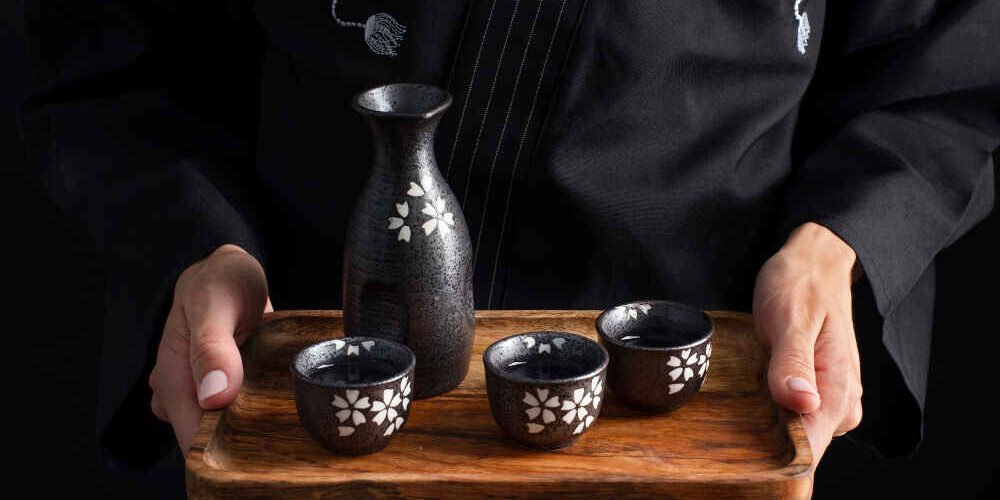
Hospitality in Japanese cafés is encapsulated in the concept of omotenashi. This term reflects exceptional customer care, where every detail is looked after so that the visitor feels valued.
We will explore the origin of this concept and its application in Japanese cafés. Coffee Sapiens highlights how the staff’s attitude and specific practices embody this service philosophy, enriching the coffee experience.
Origins and meaning of the concept of omotenashi
The concept of omotenashi has deep roots in Japanese cultural tradition. It historically derives from the tea ceremony, where every movement and gesture seeks to ensure that the guest feels special and welcome. Over the centuries, this approach has expanded into different areas, becoming a guiding principle in customer experience, especially in the restaurant industry.
During the Tokugawa era (1603-1868), Japanese society fostered respect and courtesy, and customer service began to be valued as an act of honor. This historical context allowed omotenashi to flourish, giving rise to a unique way of interacting with others, where consideration for others’ well-being becomes paramount.
The meaning of omotenashi goes beyond simply offering good service. It focuses on anticipating the customer’s needs, ensuring that every detail is designed to improve the experience. Some of its key elements are:
- Sincere dedication to customer service.
- The ability to anticipate needs before they are expressed.
- Treating each customer with respect and consideration, regarding them as an honored guest.
This philosophy can be seen in the way café staff meticulously prepare to receive their customers, showing a genuine willingness to offer exceptional service. Implementing the concept of omotenashi means creating a welcoming atmosphere, where every person who enters the café feels valued and cared for.
The influence of omotenashi has led many establishments in Japan and abroad to seek to adopt this philosophy, turning it into a standard of hospitality in the coffee world. Every gesture, every detail, and every interaction become an opportunity to demonstrate this rich cultural tradition, elevating the coffee experience to new heights.
Customer care in Japanese cafés: beyond service

In Japanese cafés, customer care goes beyond what is commonly understood as service. There is a welcoming and personalized atmosphere that transforms the simple act of ordering a drink into a memorable experience. Every interaction is infused with special care that makes the customer feel valued from the moment they enter the establishment.
Anticipating customers’ needs is a distinctive trait that many coffee lovers appreciate. Upon arrival, it is common for the staff to carefully observe every gesture, allowing details to be prepared before the customer even asks for them. This not only includes offering napkins and cutlery, but also a series of small touches that enrich the visit.
- The presentation of each drink is a highlight, crafted with a level of care that surprises and delights.
- In many cafés, samples from the menu or snacks are included to complement the experience of the chosen drink.
- Baristas are trained to interact effectively, enthusiastically explaining the ingredients and preparation methods.
The focus of these establishments is not limited to coffee preparation. The aim is to create an environment in which the customer feels at home, where attention to detail is evident in every corner of the establishment. From the carefully chosen décor to the seating arrangement, everything is done with the goal of enriching the customer experience.
This commitment to service can be noticed even during the busiest times. The staff, despite the pressure, strive to maintain a warm and courteous demeanor, ensuring that each customer feels like a priority. This type of dedication is what truly sets Japanese cafés apart in the restaurant industry.
Thus, it is undeniable that customer care in Japanese cafés goes beyond a mere commercial transaction. It is an art form that combines respect, anticipation, and kindness, creating an experience that lingers in the memory. Those who truly understand the world of coffee, like Coffee Sapiens, know that these subtleties are what make each visit special.
The staff’s attitude as a reflection of omotenashi
The staff in Japanese cafés play a fundamental role in bringing omotenashi to life. The attitude of employees is not simply a matter of courtesy; it is a sincere manifestation of respect and dedication toward the customer. Good service begins with an authentic smile, reflecting the staff’s desire to make each visitor feel appreciated and cared for.
The emotional connection established between the staff and customers enhances the café experience. Through kind gestures and empathetic communication, baristas and servers make each person feel like an honored guest. This approach is what distinguishes Japanese cafés and is evident in the following aspects:
- The way they address customers, using a gentle and respectful tone.
- The willingness to listen and promptly attend to any request.
- The way the staff observe and anticipate customers’ needs without them having to ask.
An interesting example can be found in how baristas personalize drinks. Their deep knowledge of coffee allows them to adapt each preparation to customers’ individual tastes, ensuring a unique experience. By explaining the origins of the beans or the technique behind each preparation, they create an atmosphere of learning and connection.
This attitude goes beyond simple service; it entails a genuine commitment. Each team member understands the importance of their role and how it contributes to creating a warm and pleasant environment. The staff’s dedication translates into an experience that not only meets expectations, but exceeds them.
Specific omotenashi practices in specialty cafés
In Japanese cafés, omotenashi translates into practices that go beyond the conventional. Each establishment seeks to offer a unique experience, highlighting the personal connection with the customer. In this sense, there are several tactics that turn a simple visit to the café into a memorable moment.
One of these practices is holding tasting sessions. During these experiences, baristas not only prepare the drinks, but also share information about their origin and process. This allows Coffee Lovers to appreciate every sip, turning the beverage into a cultural and sensory experience.
- Drink customization: Some cafés allow customers to create their own coffee or tea blends, promoting direct interaction with the product.
- Artistic presentations: Baristas devote time to the presentation of each drink, ensuring that the aesthetics are as impressive as the flavor.
- Designed spaces: The décor and seating arrangement are carried out with a careful focus on comfort, creating environments that invite relaxation and enjoyment.
Staff interaction is also a vital component of this experience. In many cafés, the staff make an effort to learn the preferences of regular customers, remembering their tastes and creating a familiar atmosphere. This type of attention reinforces customer loyalty, as they feel valued and recognized.
Lastly, some cafés specialize in omotenashi experiences by offering themed events or workshops. These activities generate a sense of community among Coffee Lovers and foster a deeper appreciation for coffee culture. In each of these examples, the essence of omotenashi is brilliantly manifested, elevating every visit to a higher level.
The global influence of omotenashi on coffee hospitality
The concept of omotenashi has found a very special place in the coffee industry around the world. This philosophy provides a new perspective on how baristas and café owners should interact with their customers, emphasizing meticulous attention and the anticipation of needs. Certain aspects of omotenashi have been adopted and adapted in different cultures, marking a significant change in the way hospitality is understood in the coffee sector.
The rapid growth of specialty coffee culture has driven the search for more personalized experiences. Baristas from various parts of the world are beginning to implement practices inspired by omotenashi, such as:
- The preparation of customized drinks, where customers can express their preferences and the barista adjusts the beverage perfectly to their taste.
- Educating customers about the origin of the coffee and its preparation process, strengthening a more emotional connection with the product.
- Attention to detail in the presentation of the products, reflecting pride in the quality of what is served.
It is not just about efficient service, but about creating an environment where each customer feels valued and respected. Cafés in America, Europe, and even Asia are integrating principles of omotenashi into their daily practice. At Coffee Sapiens, I have observed how many establishments try to create a welcoming atmosphere, where kindness and care take center stage in the experience.
On the other hand, this influence is not limited only to service within cafés. It also extends to how coffee experiences are marketed and advertised. Discovering a café that practices omotenashi has become a valued pursuit for coffee lovers, who seek memorable moments beyond the drink. Thus, the legacy of omotenashi not only enriches the individual experience, but also fosters a sense of community among coffee lovers.
Frequently asked questions from Coffee Lovers about omotenashi in Japanese cafés
It is natural for questions to arise as the concept of omotenashi in the realm of Japanese café hospitality is explored. Below are answers to some of the most common questions among coffee lovers.
- What makes omotenashi different from other forms of hospitality? This concept stands out for its focus on anticipating the customer’s needs, not only responding to requests, but foreseeing them in order to offer exceptional service.
- Why is the staff’s attitude so important? The staff’s attitude is essential because it reflects the essence of omotenashi. Friendly and genuine service creates a welcoming atmosphere that enhances the customer experience.
- Are there cafés in other countries that implement omotenashi? Yes, several cafés and restaurants abroad are adopting practices inspired by omotenashi, seeking to offer customer service that emulates the attention to detail typical of Japan.
- How is omotenashi reflected in the presentation of food and drinks? In Japanese cafés, presentation is an essential aspect. Each dish or drink is prepared with the utmost care, making even the simplest item a memorable visual and taste experience.
- What personalized experiences can Japanese cafés offer? Some cafés allow customers to personalize their drink, so that the choice of flavor and ingredients turns the order into something unique and personal. This reinforces the sense of individual attention that omotenashi seeks.
Thus, interest in omotenashi continues to grow among coffee enthusiasts, reflecting the cultural richness that this concept brings to the Japanese coffee experience.

Soy Javier Romero, especialista en Marketing Digital, Coffee Lover y redactor de Coffee Sapiens.
Bienvenidos a Coffee Sapiens. Somos un medio digital independiente dedicado a la divulgación, análisis y cultura del café.