
The first time I ordered a coffee from Taiwan at a specialty fair, the roaster looked at me with a knowing smile. ‘Taiwan? Really?’ I said to myself. I had spent years following the classic origins, Ethiopia, Colombia, and Kenya, without imagining that Southeast Asia was quietly building something very interesting. Since then, I have researched in depth what is happening in Taiwan, Thailand, Myanmar, and Laos: their growing conditions, their challenges, and their real potential. In this article I’ll tell you everything I have discovered about these emerging coffee-producing regions and why the specialty sector is paying closer and closer attention to them. Let’s begin!
Economic and geostrategic context of Southeast Asia as a coffee producer
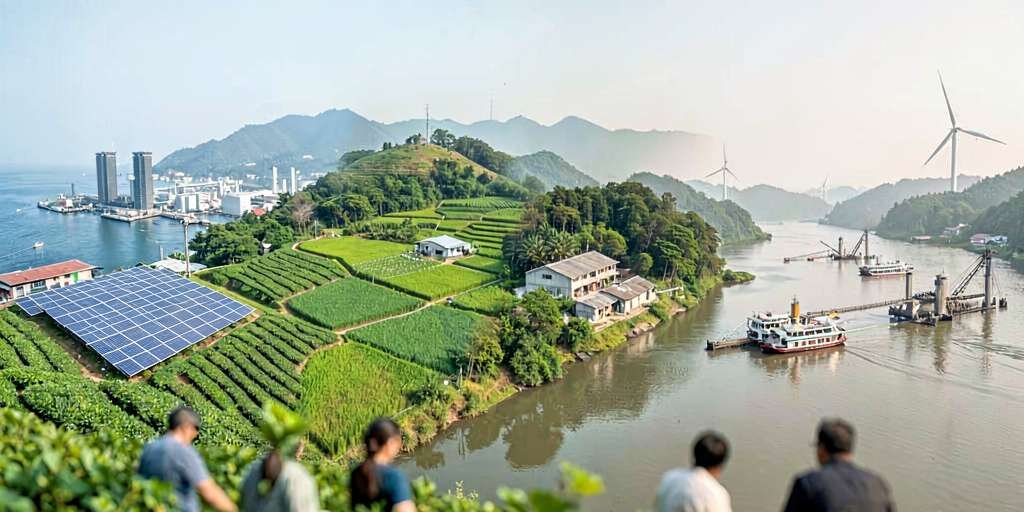
Located between China and India, the Southeast Asian region combines mountainous altitudes favorable for Arabica cultivation, expanding farming traditions, and growing trade integration through ASEAN. Its position between Asia’s two major economies facilitates both access to expanding domestic consumer markets and connections to global export routes.
Taiwan: increasingly high-quality mountain coffee
Taiwan grows Arabica coffee mainly in the mountainous areas of the center and south of the island, at altitudes between 800 and 1,600 meters above sea level. Soil and microclimate conditions have made it possible to develop unique flavor profiles with fruity and floral notes. Taiwan’s domestic market has a highly developed coffee culture, which has driven investment in quality and in artisanal processing and roasting methods.
Thailand: from Robusta to specialty coffee
For decades, Thailand was a coffee producer dominated by Robusta, especially in the north of the country. In recent years, regions such as Chiang Rai, Chiang Mai, and Doi Inthanon have developed specialty Arabica production at altitudes above 1,000 meters above sea level. The Thai government has supported the transition toward higher-quality varieties as part of rural development programs in mountainous areas historically linked to other crops.
Myanmar: notable potential, institutional challenges
Myanmar has exceptional agroecological conditions for coffee in Shan State and other mountainous regions. Coffee from Pyin Oo Lwin and other areas has achieved specialty scores that surprise international buyers. However, the political instability since the 2021 coup has created serious logistical, regulatory, and financing-access difficulties for producers, limiting the sector’s development.
Laos: mountain coffee from the Bolaven Plateau
The Bolaven Plateau in southern Laos is the country’s best-known coffee-growing area, with production at altitudes of 1,000-1,350 meters above sea level. Historically dominated by Robusta, the Bolaven Plateau is seeing a transition toward higher-quality Arabica, driven by cooperatives and the growing demand for coffees with traceability and a defined sensory profile. The potential is considerable, although infrastructure and access to international markets remain challenges.
Common opportunities and challenges in the region
These four countries share opportunities: favorable altitudes, adaptable agricultural traditions, fast-growing Asian coffee consumption markets, and growing interest from the global specialty sector. The challenges are also common: the need for investment in post-harvest infrastructure, access to technical training, certifications that improve access to premium prices, and in some cases, political or regulatory instability.
Frequently asked questions about emerging coffees from Asia
Can Taiwanese coffee compete with Colombian or Ethiopian coffee in quality?
In the best lots, yes. High-mountain Taiwanese coffee has achieved scores of 85+ in international cupping and has sparked the interest of specialty buyers. However, volumes are very small and prices very high, reflecting both the quality and the cost of production in Taiwan. It is not a coffee for the mass market, but it does suit high-end niches seeking an unusual origin and a distinctive profile.
Why isn’t Thai coffee better known if it has good growing conditions?
Historically, Thailand was known for low-priced Robusta, and that reputation has been slow to change. Thai specialty coffee is a relatively recent phenomenon, from the last 10-15 years, and is still building its image in the international market. In addition, the Thai domestic market consumes a large part of the quality production. As more international roasters discover these origins, visibility will continue to increase.
Is it possible to buy coffee from Myanmar in Spain?
It is difficult but not impossible. Some specialized European importers work with producers in Myanmar through direct trade channels or cooperatives. The political situation complicates logistics, but there are organizations that continue to support Burmese producers. Look in specialty coffee shops with broad catalogs of Asian origins or contact roasters directly who work with uncommon origins.
What distinguishes coffee from the Bolaven Plateau from other coffees in Southeast Asia?
The Bolaven Plateau has altitude and basaltic soil that allow it to produce coffees with greater acidity and complexity than the typical Robusta of the region. Bolaven Arabicas have profiles that can resemble certain Central American coffees, with notes of caramel, soft citrus, and medium body. What also distinguishes it is its history: the region was an important coffee producer during the French colonial period, and that agronomic heritage is being revived by new generations of coffee growers.
Is it worth paying more for a coffee from Taiwan or Thailand than for one from Colombia or Ethiopia?
It depends on what you are looking for. If what you value is experimenting with uncommon origins and unique profiles, then yes, it may be worth it. If you are looking for the best value for money, Colombia and Ethiopia offer excellent specialty coffees at generally more accessible prices. Emerging Asian coffees are for the curious explorer who already has a good knowledge of specialty coffee and wants to expand their range of experiences.
At Coffee Sapiens, we never stop researching to bring you the most surprising origins and the most rigorous information about the world of coffee. If this article has sparked your curiosity about emerging coffees from Asia, I encourage you to look for one of these origins at your trusted roaster. Thanks for being there, Coffee Lover!
{ “@context”: “https://schema.org”, “@type”: “FAQPage”, “mainEntity”: [ { “@type”: “Question”, “name”: “Can Taiwanese coffee compete with Colombian or Ethiopian coffee in quality?”, “acceptedAnswer”: { “@type”: “Answer”, “text”: “In the best lots, yes. High-mountain Taiwanese coffee has achieved scores of 85+ in international cupping. However, volumes are very small and prices high. It is aimed at high-end niches seeking an unusual origin and a distinctive profile, not at the mass market.” } }, { “@type”: “Question”, “name”: “Why isn’t Thai coffee better known if it has good growing conditions?”, “acceptedAnswer”: { “@type”: “Answer”, “text”: “Historically Thailand was known for low-priced Robusta, and that reputation has been slow to change. Thai specialty coffee is a phenomenon of the last 10-15 years. In addition, the domestic market consumes a large part of the quality production.” } }, { “@type”: “Question”, “name”: “Is it possible to buy coffee from Myanmar in Spain?”, “acceptedAnswer”: { “@type”: “Answer”, “text”: “It is difficult but not impossible. Some specialized European importers work with producers in Myanmar through direct trade or cooperatives. Look in specialty shops with catalogs of Asian origins.” } }, { “@type”: “Question”, “name”: “What distinguishes coffee from the Bolaven Plateau from other coffees in Southeast Asia?”, “acceptedAnswer”: { “@type”: “Answer”, “text”: “The Bolaven Plateau has altitude and basaltic soil that make it possible to produce coffees with greater acidity and complexity than the typical Robusta of the region. Bolaven Arabicas have notes of caramel, soft citrus, and medium body.” } }, { “@type”: “Question”, “name”: “Is it worth paying more for a coffee from Taiwan or Thailand than for one from Colombia or Ethiopia?”, “acceptedAnswer”: { “@type”: “Answer”, “text”: “It depends on what you are looking for. If you value experimenting with uncommon origins, then yes, it may be worth it. If you are looking for the best value for money, Colombia and Ethiopia offer excellent specialty coffees at more accessible prices.” } } ] }

Soy Javier Romero, especialista en Marketing Digital, Coffee Lover y redactor de Coffee Sapiens.
Bienvenidos a Coffee Sapiens. Somos un medio digital independiente dedicado a la divulgación, análisis y cultura del café.