
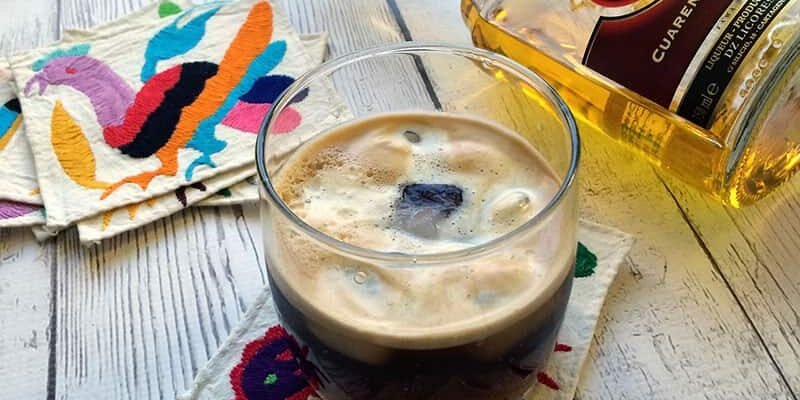
Carajillo is a traditional drink that combines coffee and liquor, very popular in Spain and in some Spanish-speaking countries. Its origin is the subject of debate, with theories linking its creation to the Cuban War or Catalan expressions.
Over the years, carajillo has evolved, giving rise to various regional variants. Each area of Spain has its own way of preparing it, enriching the culture and customs surrounding this comforting drink.
What carajillo is and its origin in Spain
It is an iconic drink that combines the intense flavor of coffee with the warmth of a liquor. Its history is rich and full of cultural adaptations in different places.
Meaning and etymology of the term
The term ‘carajillo’ comes from various theories. One of the most accepted suggests that it originated in Cuba. It is said that during the Cuban War, Spanish soldiers mixed coffee with rum to gain extra courage. Over time, the name changed from ‘corajillo’ to ‘carajillo’.
Another interpretation suggests that the Catalan phrase ‘que ara guillo’, which means ‘I’m leaving now’, referred to the habit of transport workers quickly drinking coffee with liquor before setting off. This has also influenced the terminology used to describe this mixture.
History and evolution of the drink
The history of carajillo goes back centuries. In Spain, this drink has evolved and adapted to different contexts and traditions. For a long time, it has been a common presence in after-meal gatherings, becoming an integral part of social life.
Over the years, carajillo has gained popularity, especially in regions such as Catalonia and the Basque Country, where unique variants have been developed that add a local touch to the drink.
Cultural influences and its spread across different countries
Carajillo has crossed Spain’s borders, adapting in various Latin American countries. In Mexico, for example, it has become significantly popular, turning into a symbol of modern nightlife.
Cultural influences have led to the creation of different versions of carajillo, demonstrating its flexibility and the way it integrates into the traditions of each place. Carajillo, therefore, is not only a drink, but also a reflection of the history and culture that surround it.
Regional varieties of carajillo in Spain
Spain’s cultural richness is reflected in the variety of carajillos that can be found in different regions. Each place brings its own personal touch, resulting in a unique experience when tasting this drink.
Versions in the Valencian Community and the Balearic Islands: cremaet and rebentat
In the Valencian Community and the Balearic Islands, carajillo appears in very distinctive forms. Two of the most notable versions are cremaet and rebentat.
Characteristics of cremaet
This carajillo is characterized by its combination of coffee, liquor, and sugar, but its main distinguishing feature is that it is prepared flambéed. A layer of liquor, generally orujo or brandy, is added and set alight to achieve a special texture and flavor.
Techniques of rebentat or reventado
Rebentat, for its part, stands out for the way it is served. It is prepared by pouring the coffee over the heated liquor. This method brings out the flavor of the coffee, creating a surprising kick.
Traditional forms in Catalonia and the Basque Country
Both communities have very distinctive ways of enjoying this drink. In Catalonia, café trifásico and cigaló are essential. On the other hand, in the Basque Country, kafe patardun takes center stage.
Café trifásico and cigaló in Catalonia
Café trifásico is served in three distinct layers, where each component appears in its own stratification, providing an attractive appearance as well as a balance of flavors. Cigaló, by contrast, is a glass of liquor served alongside the coffee without being mixed.
Kafe patardun in the Basque Country and Navarre
In the north, kafe patardun mixes coffee and liquor and is commonly served without the flambéing technique. This variant is characterized by its simplicity and speed of preparation.
Other native variants and their ingredients
Carajillo can also be found in lesser-known versions, each with ingredients that reflect the culture of its area.
Café asiático with condensed milk and liquor
This variant, originating in Cartagena, includes a mixture of coffee, condensed milk, and Licor 43, bringing sweetness and creaminess to the drink.
Café envenenao in regions with Caribbean influence
In Venezuela, it is known as café envenenao, and it is prepared with rum. This variant has become popular due to its strong coffee flavor, which blends with the liquor in a balanced way.
Essential ingredients and alcoholic beverages for carajillo
Carajillo is a drink that combines various flavor notes through its ingredients. The choice of liqueurs and other components is key to achieving a memorable experience.
Most commonly used liquors: brandy, rum, whisky, and anise
Different liqueurs bring different nuances to carajillo. The most commonly chosen include:
- Brandy: Adds a gentle sweetness and a fruity character.
- Rum: With its sweet touch, it is ideal for those who prefer a warmer profile.
- Whisky: Offers a light smoky complexity, ideal for more adventurous palates.
- Anise: Introduces a distinctive, aromatic flavor to the drink.
Use of sugar: recommended types and amounts
The choice of sugar can notably change the final result. It is usually recommended:
- White sugar: It is the most common and dissolves easily.
- Brown sugar: Adds a touch of caramel and depth to the flavor.
White sugar vs. brown sugar and cinnamon
The choice between white or brown sugar may depend on personal preferences. Likewise, adding cinnamon can enrich the mixture.
The influence of cinnamon sticks and lemon peel
Both ingredients contribute aromas and flavors that complement the coffee and the liquor, elevating the overall carajillo experience.
Creamy options: condensed milk and Baileys variations
Creamy drinks can soften and enrich the mixture. They are used as follows:
- Condensed milk: Adds a rich, sweet texture that contrasts with the liquor.
- Baileys variations: They are characterized by being smooth and creamy, ideal for those who enjoy an extra touch of sweetness.
Baileys carajillo: characteristics and preparation
This carajillo is prepared by combining coffee and Baileys, offering a creamy blend with a distinctive chocolate flavor.
Combinations with condensed milk and liquor
The mixture of condensed milk with a smooth liqueur provides a sweet touch that is irresistible, perfect for those with a sweet tooth.
How to prepare a perfect carajillo
Making a carajillo can be both an art and a science, with techniques that enhance its flavor and presentation. Below are the steps and equipment needed to achieve the ideal carajillo.
Basic equipment and choice of coffee
Having the right equipment is essential for making a quality carajillo. The basic utensils are a good container for heating the liquor, as well as a system for preparing the coffee. The choice of coffee is also essential for achieving an exceptional result.
Espresso coffee vs. drip or moka pot coffee
Espresso is the most common option for preparing carajillo, since its intensity perfectly complements the liquor. Drip coffee or coffee made in a moka pot can also be used, although their flavor tends to be milder.
Ground coffee and compatible capsules
Freshly ground coffee generally offers a more robust flavor. However, compatible capsules have gained popularity for their convenience and consistency, making quick and efficient preparation easier.
Steps for the traditional preparation
Making carajillo involves several steps, ranging from preheating to the final assembly of the drink.
Heating and mixing the liquor with sugar
Begin by heating the chosen liquor together with a tablespoon of sugar. As you do so, the sugar will dissolve and the flavor of the liquor will intensify.
Pouring the coffee to create distinctive layers
Once the liquor is hot, the next step is to carefully pour the coffee over the liquor. This process helps create distinct, visually appealing layers that highlight the blend.
Techniques for the finish with foam and presentation in a clear glass
To finish, a layer of foam can be added on top using a gentle pouring technique. Serving the carajillo in a clear glass will highlight the layers and the beauty of the drink.
Alternative methods and flambéing
There are additional methods that can add a unique touch to carajillo, such as flambéing the liquor.
Use of fire and burning the liquor
When flambéing, the liquor is heated until it ignites. This process enhances the flavors and adds an aromatic dimension to the drink.
Additions of cinnamon and lemon zest for aroma
For a more complex flavor, a cinnamon stick or lemon zest can be included while heating the liquor. This not only enhances the aroma, but also adds a special touch to carajillo’s flavor profile.
Carajillo in contemporary culture and the market
Today, carajillo has seen a notable resurgence on the gastronomic scene, embracing creativity and modern trends.
Popularity in bars and cocktail bars in Spain
This drink has established itself as a favorite in numerous bars and cocktail bars throughout the country. The mixture of coffee and liquor appeals both to coffee lovers and to those who want to enjoy a comforting drink after meals. Its presence on innovative menus has contributed to its popularity.
Carajillo brands marketed in Spain and Mexico
Brands have begun marketing ready-made carajillos, making them accessible to a wider audience. These ready-to-drink products are gaining ground especially in the hospitality sector, allowing more people to enjoy this drink without complications.
Analysis of Auténtico Corajillo and Roca Carajillo
Brands such as Auténtico Corajillo and Roca Carajillo have stood out in the market for offering quality products that capture the essence of this traditional drink. Both focus on authentic ingredients and production methods that respect tradition, while making carajillo an accessible option for everyone.
Growing demand and ready-to-drink formats
Demand for ready-to-drink formats reflects a trend toward convenience and speed, particularly in urban environments. This evolution has been driven by the rise of consumers who want to enjoy coffee experiences without the preparation time.
Current trends and creative variations
Innovation in carajillo preparation is evident, highlighted by the inclusion of different ingredients and presentations. Creativity has taken center stage, allowing the drink to adapt to contemporary tastes.
Combinations with ice cream and ground cinnamon
One of the most popular variants includes the addition of ice cream and ground cinnamon, bringing freshness and a special touch that wins over palates. These combinations seek not only flavor, but also visual impact.
Influence of social media and coffee culture
Social media has played a crucial role in popularizing carajillo, with users sharing recipes and unique presentations. This exposure has led to a true phenomenon in coffee culture, inspiring new generations to explore and enjoy this emblematic drink.
Frequently asked questions about carajillo
There are many questions about this drink, so beloved in coffee culture. Below are answers to some of the most common ones.
What is the ideal proportion between coffee, liquor, and sugar?
The classic recommended proportion for a balanced carajillo is usually 70 ml of coffee, 35 ml of liquor, and 1 tablespoon of sugar. However, these measurements can be adjusted according to personal preference. It is essential to find the balance that each person likes best.
Which liquor is best for a traditional carajillo?
The most commonly used liquors are brandy, cognac, and whisky. Each contributes a distinctive flavor. Brandy is the most traditional in Spain, while other options, such as rum or anise, offer interesting variations without losing the essence of the drink.
Is Spanish carajillo different from carajillo in Mexico or Costa Rica?
Of course, the preparation and ingredients vary noticeably. In Mexico, carajillo is typically made with Licor 43 or brandy, also incorporating local ingredients. In Costa Rica, it is often served with strong coffee and milk may be added. These differences enrich the interpretation of the drink.
How does the type of coffee influence the final flavor?
The quality and type of coffee are crucial to the final result of the carajillo. An intense, well-extracted espresso enhances the flavor of the liquor, while a milder drip coffee might not offer the same impact. The freshness of the coffee also plays a decisive role.
Can carajillo be prepared without alcohol but with a similar flavor?
It is possible to create a non-alcoholic version using espresso and additions such as vanilla extract or almond syrup. If a touch of cinnamon is added, the result can be pleasant and surprising, providing a similar experience without the alcoholic component.
From Coffee Sapiens, we want to thank you for joining us on this journey through the history and essence of carajillo. We hope you enjoyed discovering its variants, secrets, and curiosities as much as we enjoyed sharing them with you. If you are a true Coffee Lover, we invite you to keep exploring the fascinating universe of coffee: every cup holds a story to tell. Until the next sip, full of aroma, flavor, and passion for coffee!

Soy Javier Romero, especialista en Marketing Digital, Coffee Lover y redactor de Coffee Sapiens.
Bienvenidos a Coffee Sapiens. Somos un medio digital independiente dedicado a la divulgación, análisis y cultura del café.