
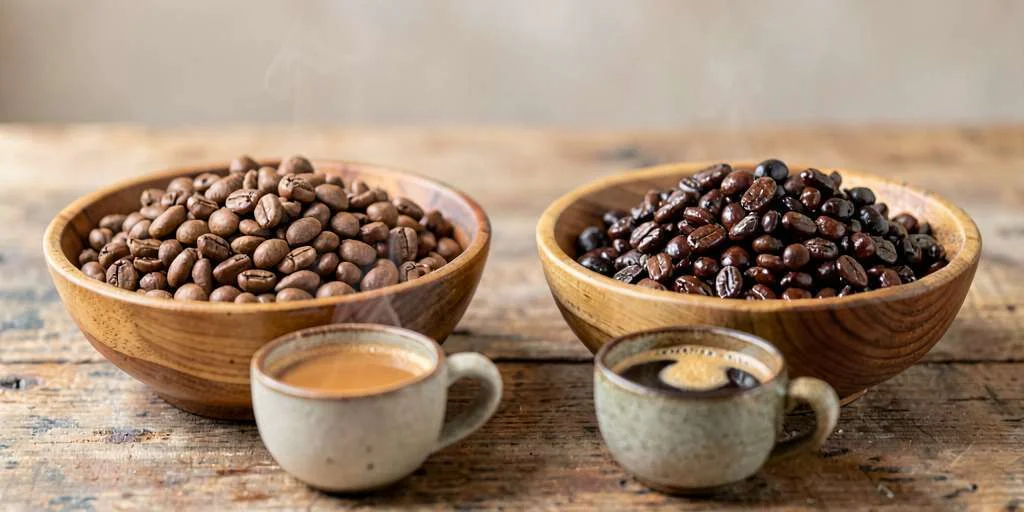
In the fascinating world of coffee, understanding the difference between natural coffee and blend coffee is essential for any lover of this beverage. If you are still wondering what the difference is between one coffee and the other, in this article we will break down the particularities of each type and their distinctive characteristics. I guarantee that this is something you should know, not only for flavor, but for health.
Through this journey, I will try to explain in the best possible way how the production process affects not only the flavor, but also the experience each cup offers. At Coffee Sapiens, we hope you enjoy this exploration and find the option that best suits your preferences.
Difference between natural coffee and blend coffee
The difference between natural coffee and blend coffee is a recurring topic among enthusiasts who are new to this world. Understanding these differences is essential to fully enjoy each cup. Let’s look at the characteristics of each type so that you can make informed decisions about their consumption.
Definition of natural coffee
Natural coffee refers to coffee beans that are roasted without the addition of sugar or other additives during the roasting process. This method allows the beans to develop their authentic aroma and flavor, offering an experience faithful to the intrinsic qualities of the coffee bean. This type of coffee is valued for its purity and the clarity of its flavors, characteristics that make it highly appreciated among coffee connoisseurs.
Definition of blend coffee
On the other hand, blend coffee is a combination of natural-roast coffee and torrefacto coffee, where sugar is added during the roasting process. This type of coffee is especially popular in Spain and is commonly found in mass-market products. Often, the goal of these blends is to create a flavor profile that is more uniform and appealing to the average consumer, who looks for a stronger and less nuanced coffee.
Comparison of characteristics between natural coffee and blend coffee
To provide a clear and concise view of the differences, we present the following table comparing the characteristics of both types of coffee:
| Characteristic | Natural Coffee | Blend Coffee |
|---|---|---|
| Composition | Coffee only, no additives. | Combination of natural and torrefacto coffee. |
| Flavor | Cleaner and more nuanced, reflects the bean’s origin. | More bitter and darker, more uniform flavors. |
| Aroma | Fresh and complex aromas. | Heavier, burnt aroma. |
| Quality | Usually higher quality, with less processing. | Lower quality, aims for uniformity. |
The table highlights the key differences between natural coffee and blend coffee. While natural coffee tends to favor authenticity and purity in flavor, blend coffee seeks to be accessible and appealing to a broader audience. Coffee Sapiens is convinced that understanding these differences allows consumers to enjoy coffee in a more conscious and enriching way.
Organoleptic properties and sensory profile
The organoleptic properties of coffee are essential to understanding the difference between natural coffee and blend coffee. These sensory attributes include flavor, aroma, and the in-cup experience, which are key to consumer satisfaction. In this section, the characteristics of each type of coffee will be explored in detail to help Coffee Lovers choose the one that suits them best.
Flavor and aroma of natural coffee
Natural coffee stands out for its purity and authenticity, which translates into a cleaner and more balanced flavor profile. Because it contains no additives such as sugar, the beans can better express their varietal essence. Coffee Lovers can enjoy fruity or chocolatey notes, depending on the origin of the bean. This type of coffee usually has a fresh and complex aroma that invites you to explore all its subtleties. When tasting a natural coffee, the experience becomes an exploration of the nuances offered by the land where it is grown and the climatic conditions that influenced its growth. This makes it the preferred option for those seeking a complete experience rich in flavors.
Flavor and aroma of blend coffee
By contrast, blend coffee, which combines natural coffee and torrefacto coffee, presents a more uniform and often more bitter flavor profile. This blend is characterized by a heavier, burnt aroma, the result of the roasting process that includes the addition of sugar. For Coffee Lovers who prefer strong coffee, the blend can be appealing, as it offers a simpler and more direct experience. However, the flavor complexities found in natural coffee can be lost, making this option less interesting for those who want to explore different nuances in their cup. The combination tends to dilute the individual characteristics of each bean, creating a coffee that is more consistent but less distinctive.
In-cup experience: how the blend affects the consumer
The choice between natural coffee and blend coffee can significantly influence the in-cup experience. Natural coffees, with their superior quality, tend to provide a more complete sensory experience. Every sip is an invitation to recognize and appreciate the nuances of the bean, turning tasting into a real pleasure. On the other hand, blend coffee can offer a more accessible experience for those looking for something comforting and familiar. However, it is crucial that Coffee Lovers are aware that by choosing a blend coffee, they may sacrifice the richness of flavors that a natural coffee can offer.
Ultimately, the difference between natural coffee and blend coffee lies not only in their composition, but also in how these choices affect the enjoyment of coffee. Each sensory profile invites Coffee Lovers to consider their personal tastes and experiment with different varieties to find their ideal coffee.
Advantages and reasons to choose natural coffee
The choice between natural coffee and blend coffee involves considering various factors, especially for Coffee Lovers who seek to maximize their sensory experience when tasting coffee. Below are the most significant advantages of choosing natural coffee, highlighting its unique characteristics and benefits compared with blends.
- Pure and authentic flavor: Natural coffee is known for its ability to offer a clean and authentic flavor profile. Unlike blend coffee, where the roasting process can mask the subtleties of the bean, natural coffee allows you to enjoy the specific notes that come from its origin. This results in a richer and more complete tasting experience.
- Complex aroma: Natural coffees tend to release fresh and complex aromas compared with blends. This aromatic richness not only enriches the in-cup experience, but also enhances the moment of preparation, turning each coffee ritual into a delight for the senses.
- Outstanding quality: The trend toward choosing natural coffee is linked to a growing recognition of quality. Most of the time, these coffees come from careful and sustainable cultivation, which translates into better bean quality. For Coffee Lovers, choosing natural coffee means prioritizing purity and authenticity in every cup.
- Fewer additives: Natural coffee contains no sugar or additives, allowing you to enjoy a healthier product. This feature appeals not only to those seeking to reduce sugar consumption, but also to those who value less processed coffee, aligning with a more conscious and healthy lifestyle.
- Support for small producers: Choosing natural coffee frequently means supporting small producers and cooperatives that grow beans sustainably. This approach not only benefits farmers, but also promotes fairer trade, something many Coffee Lovers consider crucial in the coffee world.
With these advantages in mind, it is clear that the difference between natural coffee and blend coffee extends beyond mere terminology. As consumers become more aware of what is in their cup, choosing natural coffee can offer a more rewarding experience aligned with their values. For those seeking to savor the true character of coffee, natural coffee is undoubtedly the right choice.
Frequently Asked Questions
In the quest to understand the difference between natural coffee and blend coffee, various questions arise that coffee lovers, or Coffee Lovers, may have. This section addresses some of the most common questions to help clarify the characteristics and benefits of each type of coffee.
What is the main difference between natural coffee and blend coffee?
The fundamental difference lies in their composition. Natural coffee is roasted without the addition of sugar or other additives, which allows the bean to express its original flavor and aroma. On the other hand, blend coffee combines natural-roast coffee with torrefacto coffee, which includes the use of sugar during the roasting process. This results in very different flavor profiles, with blend coffee generally being more bitter and less expressive in terms of its nuances.
Is natural coffee always of better quality than blend coffee?
In general terms, natural coffee is considered higher quality, since the aim is to offer a pure and authentic experience. The bean’s intrinsic characteristics stand out in both flavor and aroma, offering a richer range of notes. However, preference for one type of coffee can vary depending on each consumer’s personal tastes.
Why is blend coffee popular in Spain?
Blend coffee has been a popular option in Spain, largely because of its strong and robust flavor, which can appeal to those who prefer a more intense coffee. Its more uniform flavor profile, derived from the combination of torrefacto coffee with natural coffee, has led to it being widely consumed in cafés and food establishments, offering consumers an accessible and familiar option.
How does the roasting method affect coffee flavor?
The roasting method has a significant impact on coffee flavor. In the case of natural coffee, the roasting process highlights the bean’s specific nuances, allowing you to enjoy fruity or chocolatey notes. By contrast, blend coffee has a darker and more bitter flavor due to the presence of sugar in the torrefacto roast, which can hide the natural bean’s more subtle nuances.
Where can I find high-quality natural coffee?
Access to high-quality natural coffee has increased in recent years thanks to the rise of specialty stores and specialty coffee markets. It is recommended to look for brands that clearly label their products as 100% natural, which makes it easier for Coffee Lovers to identify them and ensures a flavor-rich experience.
Can I mix natural coffee and blend coffee when making coffee?
Mixing natural coffee and blend coffee is feasible, and some enthusiasts do it to take advantage of the characteristics of both types. However, it is important to be aware that the combination can alter the flavor and aroma profiles that would be obtained if they were consumed separately. The choice depends on each Coffee Lover’s specific tastes.
These answers are just a sample of the rich world of coffee. There is always more to discover and learn, so keep exploring the differences and similarities between these two fascinating types of coffee.

Soy Javier Romero, especialista en Marketing Digital, Coffee Lover y redactor de Coffee Sapiens.
Bienvenidos a Coffee Sapiens. Somos un medio digital independiente dedicado a la divulgación, análisis y cultura del café.