
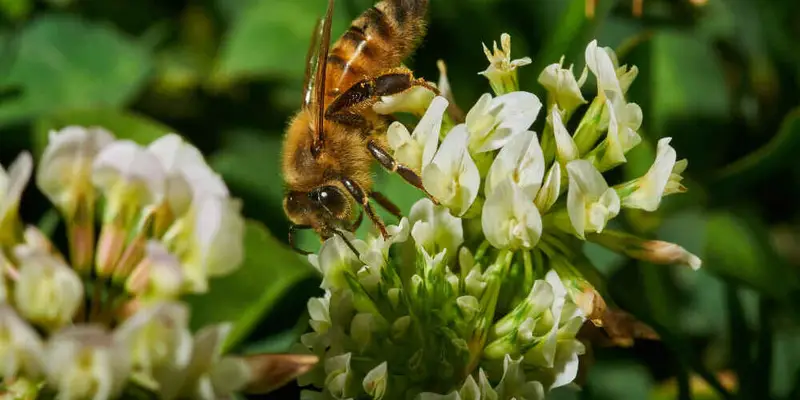
The relationship between bees and coffee is fundamental to the production of this bean. Bees, by pollinating coffee plants, not only increase yield, but also improve the quality of the harvest.
In this article, the factors that make this alliance a vital aspect of agricultural sustainability will be explored. From pollination to the impact of climate change, various strategies to promote the health of bees and coffee cultivation will be analyzed.
Pollination and its impact on coffee cultivation
Pollination is an essential factor that significantly influences coffee production. Through this process, bees play a fundamental role in optimizing cultivation, benefiting both yield and bean quality.
The fundamental role of bees in pollen transfer
Bees are crucial pollinating agents for many plants, and coffee is no exception. Although Arabica coffee plants can self-pollinate, the support of bees notably improves pollen transfer. This process helps increase fruit set, resulting in more abundant harvests.
Key studies on improving coffee yield and quality
Several studies have highlighted how pollinator intervention can raise both the yield and quality of cultivated coffee. Notable research in this field is presented below.
The pioneering study in Jamaica
A study conducted in the 1970s in Jamaica revealed that the introduction of honey bee hives on coffee farms increased the production of ripe berries by 52%. This finding marked a milestone in understanding the importance of bees in coffee cultivation.
Research in producing countries: Indonesia, Panama, and Colombia
Since that initial study, research has been carried out in various coffee-growing regions, such as Indonesia, Panama, and Colombia. These studies confirm that bees not only increase the number of fruits, but also improve their quality, resulting in a premium coffee valued in specialty markets.
Biodiversity and ecosystems on coffee farms
Biological richness on coffee farms is essential to maintain ecosystem health and optimize coffee production. The interaction between crops and native species contributes significantly to this balance.
The coexistence of companion crops and their influence on native bees
Companion crops on coffee farms, such as fruit trees and legumes, provide food and shelter for native bees. This coexistence creates a diversified environment that enhances pollination and improves coffee quality. In turn, bees benefit other plants by acting as pollinators, creating a cycle of positive feedback that sustains agricultural biodiversity.
Agroforestry systems and habitat regeneration for pollinators
Agroforestry systems are an effective strategy for regenerating natural habitats. Integrating trees and crops within the same farm creates a microecosystem that promotes biological diversity.
Tropical forests and shade in coffee plantations
Plantations that incorporate shade from tropical trees not only protect coffee plants from heat stress, but also provide habitats for various bee species. This contributes to a balanced and healthy life cycle on the farm.
Ecological benefits of maintaining natural habitats
Maintaining natural areas within coffee farms is essential to preserve local fauna and flora. These habitats not only enrich biodiversity, but also support soil fertility and natural pest control, which can result in higher-quality, more sustainable coffee.
Strategies to improve the presence of pollinators in coffee plantations
To strengthen the presence of pollinators in coffee crops, it is essential to implement various strategies that benefit both honey bees and native bees. Attention to their habitats and proper management are key to ensuring their well-being.
Introduction and management of honey bees and native bees
Introducing honey bee hives can be an excellent way to increase pollination on coffee farms. However, promoting the conservation and management of native bees is crucial, since they are often more effective under local conditions. Encouraging the presence of both species will contribute to more resilient and healthier ecosystems.
Creation and conservation of habitats for bees and pollinators
It is vital to maintain and create appropriate habitats for pollinators in coffee plantations. This will not only benefit these insects, but will also boost crop yields.
Natural shelters and earthen banks
- Establishing natural shelters allows bees to find safe areas to nest and reproduce.
- Creating earthen banks can provide additional space for flora that serves as a food source.
Native flowering plants on coffee farms
- Incorporating native flowering plants is essential to provide food resources throughout the year.
- Floral diversity will attract different bee species, thereby increasing pollination and biodiversity in the environment.
Effects of climate change on the relationship between bees and coffee cultivation
Climate change has begun to transform the way coffee is grown and bees are preserved, affecting the entire agricultural ecosystem.
Impact of climate change on the reduction of suitable areas for Arabica coffee
Rising temperatures and erratic rainfall patterns are reducing the areas where Arabica coffee can be grown. It is projected that by 2050, suitable areas for its cultivation could shrink by up to 50%. This situation not only threatens production, but also affects the biodiversity of coffee-growing regions.
Influence of climate change on pollinator populations
Climate disruptions are directly affecting the health and distribution of pollinator populations. Bees, which are necessary for coffee pollination, face significant challenges that could compromise their ability to perform essential ecological functions.
Models from the Tropical Agronomic Center and future scenarios
- Research from the Tropical Agronomic Center suggests a decline in pollinator populations due to changes in habitats.
- Projected future scenarios imply a decline in pollination effectiveness, even in areas where cultivation could expand.
Consequences for the production and quality of specialty coffee
The decline in pollinator diversity affects not only the quantity of coffee produced, but also its quality. Reduced pollinator support can influence the organoleptic characteristics of specialty coffee, causing it to lose value in the market.
Pests, diseases, and pollination in coffee crops
The interaction between pests, diseases, and pollination is crucial to maintaining the health of coffee crops. These factors affect not only crop yields, but also the quality of the coffee produced.
Climate threats and coffee rust
Climate change has intensified the emergence of diseases in coffee crops. One of the most serious problems is coffee rust, caused by the fungus Hemileia vastatrix. This disease can devastate entire plantations, especially in regions where Arabica coffee is grown. Conditions of high humidity and elevated temperatures encourage its spread, worsening the situation for coffee growers.
Genetic diversity and its role in resistance to pests
Genetic diversity in coffee crops plays a fundamental role in resistance to pests and diseases. Plants with a more diverse genetic heritage tend to show a greater capacity to face threats, including rust. Implementing practices that promote this diversity is essential to ensuring sustainable production.
- Select resistant varieties.
- Promote pollination through the presence of bees and other pollinators.
- Adopt agricultural practices that promote soil and crop health.
Preserving and promoting this diversity not only increases resistance to pests, but also improves coffee quality, making it a more competitive product in the market. Collaboration between coffee growers and beekeepers is therefore essential to safeguard crops through a comprehensive approach.
Economic and commercial benefits of fostering the alliance between bees and coffee
Fostering the relationship between bees and coffee not only benefits ecosystems, but also has important economic and commercial repercussions for producers.
Increase in value and recognition in the specialty coffee market
By integrating practices that favor pollination by bees, coffee growers can achieve a significant increase in the quality of their product. Coffee that comes from farms in harmony with biodiversity not only has better flavor, but also positions itself favorably in the competitive specialty coffee market. The growing demand for high-quality coffees has led consumers to seek products that respect the environment and promote sustainability.
Labels and certifications linked to pollinator-friendly practices
Incorporating eco-certifications or labels that highlight a commitment to bee conservation can open new commercial opportunities. This creates added value for the product, attracting a more aware audience willing to pay a premium price.
Impact on sustainability and ethical trade
- Coffees labeled as “bee-friendly” promote a positive image.
- They contribute to the idea of fair trade, which can increase consumer loyalty.
Opportunities for coffee growers and beekeepers
- Collaboration between coffee growers and beekeepers opens new business avenues.
- Producers can access financing programs and educational resources on sustainable practices.
Good agricultural practices to maximize pollination and coffee quality
Implementing good agricultural practices is essential to enhance pollination and improve coffee quality. Adopting appropriate techniques can make a difference in both yield and the flavor of the final product.
Integrated crop management to improve fruit set and ripe cherries
Integrated crop management aims to optimize coffee production by considering the factors that affect plant growth and development. Some key strategies include:
- Crop rotations that help maintain soil health and prevent pests.
- Selection of coffee varieties that adapt to the local climate and soil, thus favoring effective fruit set.
- Biological pest control, using natural enemies instead of chemical pesticides.
Promotion of biodiversity and environmental care on farms
Biodiversity on farms not only enriches the ecosystem, but also improves coffee quality. Conserving natural habitats benefits pollinators and other organisms important to the crop.
Regenerative practices in Valle del Cauca
In Valle del Cauca, farmers have begun to implement regenerative practices such as incorporating trees into coffee plantations, creating shade and feeding pollinators. These actions foster an environment conducive to biodiversity and ensure healthy soil.
Knowledge transfer between producers and scientists
Encouraging the exchange of knowledge is vital. Collaboration between coffee growers and scientists enables the adoption of evidence-based practices. Workshops and training sessions are organized to help producers understand the importance of caring for the ecosystem in which their coffee is grown.
At Coffee Sapiens, we want to thank all the Coffee Lovers who joined us on this journey through the fascinating relationship between bees and coffee. Every coffee bean tells a story of balance among nature, human labor, and respect for ecosystems. We hope this article inspires producers, consumers, and coffee lovers to value and protect this alliance, which is so essential to the future of sustainable agriculture. Let’s keep savoring change, one cup at a time!

Soy Javier Romero, especialista en Marketing Digital, Coffee Lover y redactor de Coffee Sapiens.
Bienvenidos a Coffee Sapiens. Somos un medio digital independiente dedicado a la divulgación, análisis y cultura del café.