
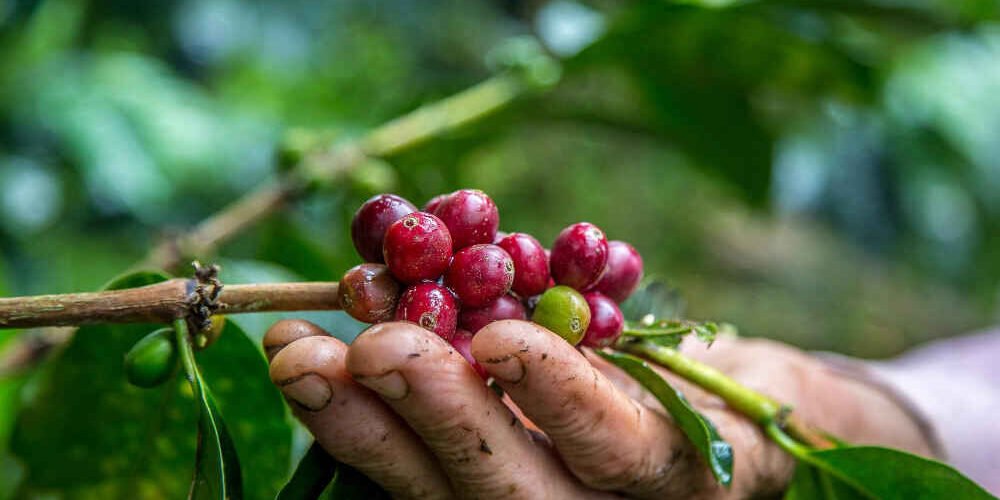
Coffee plants are shrubs belonging to the genus Coffea. Their bean production has made coffee one of the most popular beverages worldwide.
Growing coffee plants requires attention to various environmental conditions. There are multiple varieties that influence the flavor and quality of coffee. Understanding their care is essential to obtain the best production results.
Origin and classification of the genus Coffea
The genus Coffea originates in tropical regions of Africa, especially in the subtropical area of the continent. It has been documented that coffee plants have been used since ancient times, specifically in Ethiopia, where they are believed to have been first discovered. Their use later spread throughout the Arab world and, finally, to the Americas and other parts of the planet.
The classification of this genus is diverse, with approximately 100 recognized species, although only a few have commercial importance. The two most relevant are:
- Coffea arabica: Known as Arabica coffee, it is the most widely cultivated and appreciated, standing out for its flavor and superior quality.
- Coffea canephora: Commonly called robusta, it is characterized by its resistance to diseases and a higher caffeine content.
Other lesser-known species also form part of this genus, but they represent a small portion of global coffee production. The different types of Coffea have enabled the creation of a diverse market, which enriches the consumer experience and fosters growing interest in the diversity of flavors and nuances they offer.
Botanical description and characteristics of the coffee plant
The coffee plant, scientifically known as Coffea, belongs to the Rubiaceae family. This plant includes a large number of species, although only a few are relevant for commercial production. The two main ones are Coffea arabica and Coffea canephora (also known as robusta). These species are native to tropical regions, especially southern Asia and Africa.
In its natural habitat, the coffee plant can grow up to 10 meters tall. However, under cultivation conditions it is usually kept at around 3 meters to make harvesting its fruits easier. The leaves are elliptical in shape and dark green in color, giving it a dense and leafy appearance.
Characteristics of the plant
- It blooms between the third and fourth year of life.
- The flowers are axillary, fragrant, and can be white or pinkish in color.
- The fruits, known as drupes, are vital for coffee production.
As for its growing conditions, this plant thrives in areas with high humidity and benefits from being cultivated at high altitudes. A tropical climate with constant temperatures is required to obtain optimal yield. Interaction within its ecosystem is fundamental, as it attracts a variety of fauna that contribute to its pollination and overall health.
Growing coffee plants: ideal conditions and care
Growing coffee requires meticulous attention to environmental conditions. The plant thrives in warm climates, preferably at altitudes of 600 to 2,000 meters, where temperatures range between 18 and 24 degrees Celsius. Humidity is another crucial factor; ideally, relative humidity should be close to 70%. This translates into well-drained soil rich in organic matter.
It is essential to keep the soil at a pH between 6 and 6.5, promoting the optimal development of the nutrients needed for healthy growth. Fertilization is advisable during the growth period, using organic fertilizers that improve soil quality.
- Lighting: Coffee plants require indirect light. Too much sun can be harmful.
- Watering: Watering frequency should be moderate; excess water can cause root rot.
- Protection: It is recommended to protect the plants from extreme temperatures and frost by covering them when necessary.
Pruning is also an important aspect of caring for these plants. This allows for better air and light circulation, as well as encouraging uniform growth. Controlling pests and diseases is key to maintaining the health of coffee plants. Constant observation will facilitate the proper management of any eventual issue.
Specific cultivation and care of the potted coffee plant
Growing the coffee plant in a pot is an attractive option for coffee lovers who want a touch of greenery in their home. It is essential to select a suitable pot that allows good drainage, as well as a substrate rich in organic matter. This type of plant requires an optimal environment to thrive and bear fruit.
Light conditions are crucial. It is recommended to place the plant in a location where it receives bright indirect light. Direct exposure to the sun can cause burns on the leaves, so it must be properly protected. The ideal temperature is between 15 and 24 degrees Celsius, avoiding cold drafts.
Watering should be controlled, ensuring that the substrate remains moist, but never waterlogged. Excess water can lead to root rot. Organic fertilizers can be applied every two months to promote healthy growth and good fruit production.
- Use of specific substrates for coffee.
- Watering frequency: maintain moisture without excess.
- Light: partial shade to avoid intense sun.
Light pruning is also recommended to maintain a manageable size and encourage the production of new branches. With proper care, the potted coffee plant can flower and produce good-quality beans, providing a rewarding experience for the grower.
Coffee varieties and their influence on production and flavor
Coffee comes in a variety of species and cultivars, each with unique characteristics that influence the flavor and final quality of the beverage. Two of the most prominent species are Coffea arabica and Coffea canephora, each with its own particular characteristics.
Coffea arabica is known for its more sophisticated and less bitter flavor profile, which makes it the preferred choice among specialty coffee enthusiasts. This type is grown at higher altitudes and is more sensitive to diseases, which makes it more delicate and valuable in the market. Among its varieties are:
- Bourbon
- Caturra
- Typica
- Pacamara
On the other hand, Coffea canephora, commonly known as robusta, is characterized by its greater resistance to pests and diseases, as well as its higher caffeine content. Generally, its flavor is stronger and less acidic, which is often preferred for espressos. This species is grown mainly in regions such as Vietnam and Brazil.
The differences between these varieties affect not only flavor, but also production yield. Cultivars of Coffea arabica tend to offer lower yields compared to Coffea canephora. This implies that production cost and growing conditions are crucial factors in choosing which variety to cultivate.
Harvesting, processing, and yield in coffee plants
The coffee harvest is a crucial moment that determines the quality of the final product. Generally, it is carried out once a year, although the duration may vary depending on the region and weather conditions. Harvesting is carried out mainly through three methods:
- Manual selection: This procedure involves collecting only fully ripe drupes, which guarantees superior coffee quality. However, it is labor-intensive and requires several passes through the plants.
- Strip harvesting: In this method, all the drupes are collected at once. This can result in a mix of ripe and unripe fruits, which often entails additional sorting.
- Mechanical harvesting: It is a viable option on plantations where the drupes ripen over a short period. Although it is efficient, it can result in lower coffee quality by collecting fruits that are not fully ripe.
Once the harvest has been completed, processing is another key step. This refers to the treatment of the harvested beans to transform them into the product that will reach the consumer. Processing methods include sun drying and wet processing, each with its implications for the final flavor of the coffee.
The yield of the coffee plant can fluctuate between 800 and 1400 kg per hectare, which represents significant agricultural production. The health of the plant and the cultivation techniques applied directly impact this figure, so it is essential to maintain optimal conditions throughout the growing and harvesting cycle.
Coffee agroecosystems and their ecological importance
Coffee agroecosystems are complex ecosystems where coffee is produced, and they play a vital role in environmental sustainability. These areas are not only crucial for bean production, but they also offer a series of ecological benefits, among which the following stand out:
- Biodiversity conservation: Coffee crops usually include a rich variety of plants and animals, which contributes to the preservation of various local species.
- Soil improvement: The implementation of sustainable agricultural techniques in agroecosystems helps maintain soil health, promoting practices that prevent erosion and degradation.
- Microclimate regulation: These plantations help regulate the temperature and humidity of the environment, which benefits both the coffee plant and other species in the ecosystem.
- Promotion of pollination: The interaction between the coffee plant and other organisms, such as mammals and insects, is essential for pollination and the plant’s life cycle, thus improving fruit production.
Recent research has revealed that maintaining a diversity of flora and fauna in coffee plantations enhances ecosystem health. For example, some mammals contribute to seed dispersal and the regulation of pest populations, which favors natural balance.
Commitment to sustainable agricultural practices in these agroecosystems not only promotes the production of quality coffee, but also supports environmental conservation, making these spaces an essential element in the fight for a more sustainable world.
Frequently asked questions about coffee plants and their cultivation
Caring for coffee plants raises numerous questions, especially among enthusiasts of this beverage. Below are some of the most frequently asked questions about their cultivation and maintenance.
- What type of soil is ideal for coffee plants? Coffee plants prefer nutrient-rich, well-drained soils with a slightly acidic pH, between 6 and 6.5. Organic matter is essential for the healthy growth of these plants.
- How should a coffee plant be watered? It is essential to maintain constant moisture in the soil, preventing it from drying out completely. During the growing season, regular watering is key, although care must be taken not to waterlog the plant.
- How long does it take to bear fruit? Generally, coffee plants begin to flower between the third and fourth year of life. After flowering, it can take 6 to 8 months for the drupes to fully ripen and be ready for harvest.
- Can coffee be grown indoors? It is possible to grow coffee plants indoors, as long as they are provided with enough light and a warm environment. The pots must be suitable, and regular fertilization should be taken into account.
- Are coffee plants resistant to pests? Although the coffee plant shows some resistance, it can be vulnerable to insects such as the coffee borer. Constant monitoring and the use of sustainable cultivation practices are recommended to protect the plants.
These questions reflect some of the common concerns among those who grow coffee plants. Accurate and detailed information is key to ensuring healthy growth and good production.

Soy Javier Romero, especialista en Marketing Digital, Coffee Lover y redactor de Coffee Sapiens.
Bienvenidos a Coffee Sapiens. Somos un medio digital independiente dedicado a la divulgación, análisis y cultura del café.