
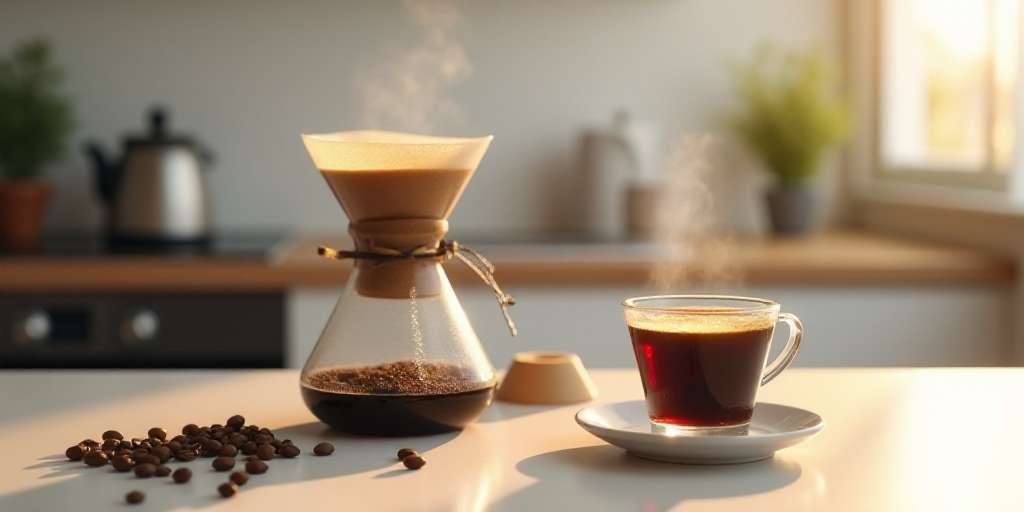
Coffee for filter coffee makers is a popular option for those looking to brew delicious and aromatic coffee. This method makes it possible to extract the flavors and aromas of coffee beans through filtration.
There are different types of coffee that are well suited to this method, as well as different ways of preparing it. Knowing the characteristics of the right coffee and the brewing methods improves the tasting experience.
Types of coffee for filter coffee makers
The variety of coffees available for use in filter coffee makers is broad and diverse. Knowing the options will make it possible to enjoy a richer experience in flavors and aromas.
Specialty coffee: characteristics and advantages
Specialty coffee refers to a select group of coffees that meet strict quality criteria. These beans are grown under ideal conditions and are carefully evaluated to ensure exceptional flavor. Baristas and enthusiasts appreciate this type of coffee for its unique and complex profiles.
Origin and flavor profile of our specialty coffees
Specialty coffees usually have a specific origin that gives them distinctive flavors. Varieties grown at high altitudes, such as those from Colombia, usually present fruity notes and vibrant acidity. On the other hand, coffees from Brazil tend to offer a smoother profile, with hints of chocolate and nuts, perfect for those seeking a more balanced cup.
Selection by country: Colombia, Brazil and Mexico
Exploring coffees from countries such as Colombia, Brazil, and Mexico makes it possible to discover the rich legacy of coffee cultivation. Each of these countries has traditions that influence the flavor and quality of the final product. For example, Mexican coffee is known for its pleasant spicy notes and freshness, making it ideal for those who appreciate a different experience.
Differences between Arabica and Robusta coffee for filter brewing
The characteristics of Arabica and Robusta coffee beans are different, and this affects brewing in filter coffee makers. Arabica beans, known for their higher acidity and more sophisticated flavor, are usually the preferred option for coffee lovers using filters. Robusta, on the other hand, which tends to be more bitter, is used to a lesser extent.
Properties of Arabica coffee in the filter coffee maker
Arabica coffee is generally considered superior in quality. Its complex flavor profile, which includes floral and fruity notes, is effectively extracted in a filter coffee maker, producing a smooth and aromatic beverage that is highly appreciated.
Limited use of Robusta in filter brewing
Despite its lower popularity, Robusta coffee has its place in some blends, although its use in filter coffee makers is limited. Its bitterness and dense body do not adapt as well to the filtering process, which can result in an unpleasant flavor.
Whole bean coffee vs. ground coffee: which is better for filter brewing
The choice between whole bean coffee and ground coffee can influence the freshness and flavor of the final coffee. Many enthusiasts prefer whole bean coffee because of the possibility of grinding it just before brewing, which ensures a more vibrant and fresher flavor.
Recommendations for the ideal grind in drip coffee makers
For drip coffee makers, a medium grind is generally recommended. This type of consistency allows for proper extraction without the coffee becoming too bitter or watery. Adjusting the coarseness of the grind according to the brewing method can also alter the quality of the beverage.
Advantages of whole bean coffee for freshness
Using whole bean coffee ensures that the oils and aromas remain intact until the moment of brewing. This is vital for obtaining a delicious cup of coffee, as contact with air and moisture can affect the quality and flavor of ground coffee.
Roast levels and their influence on filter coffee
The roast of the coffee is a determining factor in the quality of the beverage. Each roast level provides unique characteristics and flavors that influence the drinking experience in filter coffee makers.
Light roast: characteristics and results in a filter coffee maker
Light roast is characterized by a golden or light brown color and is associated with a more acidic and fruity flavor. This roast level preserves the bean’s natural oils, resulting in a delicate and transparent brew. When preparing coffee with a light roast in filter coffee makers, it is possible to appreciate subtle notes and nuances that come from the coffee’s origin.
- Pronounced acidity and fruity flavors.
- Presence of floral and spicy aromas.
- A better coffee-to-water ratio helps avoid an overly bitter taste.
Medium roast: the ideal balance for filter coffee
A medium roast, with a deeper brown color, offers an ideal balance between acidity and sweetness. This type of roast allows the coffee’s flavors to fully develop, highlighting both fruity nuances and notes of caramel and nuts. It is widely considered the most versatile for different preferences in a filter coffee maker.
- Reduced acidity without losing complexity.
- Optimal versatility for diverse bean varieties.
- The preferred choice of many baristas and coffee lovers.
Dark roast: when and how to use it in a drip coffee maker
Dark roast, which appears in black or very dark brown tones, has a robust and bitter flavor profile. This type of coffee is ideal for those who enjoy a strong taste and a heavier body. However, it is important to keep in mind that not all dark coffees work well in filter coffee makers. Some may lose their characteristics during extraction.
- More intense flavor that can dominate the nuances of the original bean.
- Recommended for blends that include Robusta.
- Extraction at slightly higher temperatures to avoid excessive bitterness.
Methods and types of filter coffee makers
There are various methods and types of filter coffee makers that allow the flavor of coffee to be extracted in different ways, offering coffee lovers a variety of options to enjoy their favorite beverage.
Traditional drip coffee maker: operation and use
Traditional drip coffee makers are among the most widely used in homes. These machines work by heating water that is poured over the ground coffee contained in a filter. As the hot water passes through the coffee, the essential flavor and aroma compounds are extracted and drip into a lower container.
Recommended settings to improve extraction
Improving coffee extraction in a drip coffee maker requires attention to various parameters:
- Water-to-coffee ratio: Using between 1 and 2 tablespoons of coffee for every 180 ml of water is usually ideal.
- Water temperature: The water should be between 90 and 96 degrees Celsius when it comes into contact with the coffee.
- Extraction time: Generally, between 4 and 6 minutes is the optimal interval.
Maintenance to extend its lifespan
Regular maintenance ensures the proper functioning of the coffee maker. It is advisable to clean the reservoir, the filter, and the coffee carafe after each use. Monthly descaling helps remove mineral residues that may accumulate over time.
Chemex and its slow infusion method
The Chemex is known for its elegant design and slow infusion method, which helps produce a clean coffee full of nuances. This device uses a special filter that enables a smoother and more effective extraction.
Filter types and proper preparation
For the Chemex, it is recommended to use specific paper filters, which are thicker than traditional ones. When preparing coffee, it is vital to wet the filter before adding the coffee, which helps avoid unwanted flavors. The coffee-to-water ratio can vary according to preferences, but a good base is 1:15.
Results in flavor and aroma with specialty coffees
Using the Chemex makes it possible to highlight unique characteristics of specialty coffees, such as acidity and fruity flavors. The slow infusion preserves the coffee’s natural oils, resulting in a cup with a rich and complex aromatic profile.
V60: total control over brewing
The V60 method has become popular among baristas because of the versatility it offers. This system allows total control over extraction by adjusting various factors, making it possible to tailor each cup to individual taste.
Techniques for mastering extraction with the V60
To obtain an exceptional coffee with the V60, it is recommended to use a spiral pour. Starting from the center and moving outward, this ensures even saturation. In addition, adjusting the pouring speed influences the extraction time and the final flavor.
Grind and pouring adjustments based on the coffee
It is important to adapt the coffee grind to the preparation technique. A medium to coarse grind works best in the V60, while the pouring technique may change depending on the coffee variety, thus achieving different extractions in each cup.
Care and maintenance of the filter coffee maker
Proper care and maintenance of a filter coffee maker are essential to guarantee optimal performance and enjoy quality coffee. Regular cleaning and attention to certain details can extend the life of the machine and ensure that each cup is delicious.
Daily cleaning and prevention of off-flavors
Cleaning is essential to avoid the accumulation of residues that may alter the taste of the coffee. This includes both cleaning the container where the brewed coffee collects and the filter and its support area. It is advisable to follow these steps:
- Empty the coffee carafe after each use.
- Wash the filter with hot water to remove oils and coffee residues.
- Dry all the parts before reassembling them.
Over time, residues can leave an unpleasant taste. Therefore, daily cleaning will help maintain the coffee’s freshness and prevent off-flavors in future brews.
Descaling and use of filtered water
The accumulation of minerals inside the coffee maker, especially if hard water is used, can affect its operation and the quality of the coffee. Therefore, it is advisable to descale the coffee maker at least once a month. To do this, a solution of white vinegar and water can be used, following the manufacturer’s instructions.
Using filtered or bottled water can be an excellent option to avoid limescale buildup and improve the flavor of the coffee. Quality water directly influences flavor extraction, ensuring that each cup is more pleasant and balanced.
Recommendations for maintaining optimal performance
Maintaining the optimal performance of the filter coffee maker requires certain habits. These include:
- Storing coffee in a cool, dark place to preserve its freshness.
- Regularly checking the condition of the filters and replacing them when necessary.
- Following the manufacturer’s instructions regarding the frequency of descaling and cleaning.
Implementing these practices will not only improve the quality of the coffee, but will also ensure that the coffee maker works perfectly. Keeping the components in good condition is key to enjoying every cup without compromising flavor.
Choosing the best coffee for a filter coffee maker
Selecting the right coffee for a filter coffee maker is crucial to enjoying an exceptional tasting experience. By considering various factors, the flavor and quality of each cup can be noticeably improved.
Key factors for selecting the ideal coffee
The process of choosing the right coffee is based on several elements that directly affect the quality of the brew. The most relevant include:
- Origin: The place where the coffee is grown influences its flavor profile. Varieties from different regions offer unique nuances.
- Flavor profile: Knowing whether a fruity, acidic, or more robust coffee is preferred is essential to finding the perfect blend.
- Bean type: Being familiar with the differences between Arabica and Robusta can guide choices, since each contributes different characteristics to the cup.
- Roast level: Deciding which roast level you are looking for is vital, since this factor affects the coffee’s aromas and acidity.
Importance of freshness and roast labeling
The freshness of freshly roasted coffee makes a big difference in the quality of the final beverage. The volatile compounds that provide aroma and flavor are lost over time, so it is preferable to look for products that indicate their roast date.
As for roast labeling, it is essential to pay attention to the descriptions of the coffees, which usually range from:
- Light roast: Preserves brighter notes and acidity, ideal for a fruitier coffee.
- Medium roast: Offers a balance between acidity and body, becoming a versatile option.
- Dark roast: Tends to highlight more bitter and robust flavors, perfect for those who prefer an intense coffee.
Recommended options according to flavor preferences
There is a variety of coffees suited to different tastes and preferences. Some recommendations include:
- Specialty coffees: Opting for selected beans from Ecuador, Colombia, or Mexico can provide unique tasting experiences thanks to their well-defined flavor profiles.
- Arabica coffees: For those seeking a smoother and more complex profile, Arabica coffees are ideal for filter brewing.
- Micro-roasted coffees: They are an excellent option because of their freshness and uniqueness, allowing new flavors to be explored in each cup.
Selecting the right coffee for the filter coffee maker is an art that requires attention and experimentation. Understanding these key aspects will help elevate the experience with every brew.
Coffee subscriptions for filter lovers
Coffee subscriptions have gained popularity among enthusiasts who seek to enjoy different varieties and improve their tasting experience. These options make it possible to explore new flavors and profiles through the convenience of home delivery.
Advantages of specialty coffee subscriptions
Being part of a specialty coffee club offers multiple benefits that go beyond simply receiving coffee at home. The advantages include:
- Access to high-quality coffees, carefully selected by experts.
- A variety of options, which encourages the exploration of different origins and brewing methods.
- The possibility of discovering coffees from small roasters that are not available in conventional stores.
- Regular delivery of fresh products, always guaranteeing a delicious cup of coffee.
Subscription discounts and benefits
Coffee clubs also often offer attractive deals for their subscribers. This may include:
- Discounts on the first order or on the long-term subscription.
- Free shipping, which can mean significant savings over time.
- Exclusive promotions on seasonal products or on limited-origin coffees.
This allows enthusiasts not only to enjoy quality coffee, but also to do so more affordably.
Would you like to tell us about your experience with filter coffee makers? We’d love to read about it in the comments.

Soy Javier Romero, especialista en Marketing Digital, Coffee Lover y redactor de Coffee Sapiens.
Bienvenidos a Coffee Sapiens. Somos un medio digital independiente dedicado a la divulgación, análisis y cultura del café.