
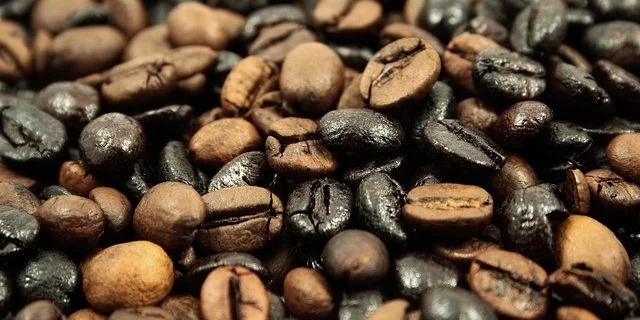
Acidity in coffee is one of the most important characteristics affecting its flavor and aroma. It is often described as a bright and refreshing quality that can add extra complexity to the tasting experience.
This article explores how acidity is produced in coffee and the factors that influence it, from bean variety to the roasting process. Different types of acidity and how to adjust it during preparation will also be discussed.
What acidity in coffee means
Acidity is an aspect that stands out in coffee’s sensory profile, bringing a freshness that can transform the experience of tasting this highly appreciated beverage.
Perception of acidity in the cup
Acidity is perceived on the tongue and is closely related to the sensation it causes on the palate. Different nuances can be distinguished, ranging from refreshing subtlety to pronounced liveliness. This component often appears as a vibrant touch that complements other flavors, making the cup feel more complete and enjoyable.
Natural compounds responsible for acidity
The compounds that contribute to acidity in coffee are diverse. Among them, the following stand out:
- Chlorogenic acid: This compound is fundamental and provides bright and distinctive acidity in many coffees.
- Malic acid: It has similarities to the flavor of apples. Its presence adds a fruity dimension that is often highly appreciated.
- Citric acid: This type of acid evokes notes of citrus fruits, adding freshness and a vibrant profile.
- Lactic acid: With its smooth and creamy character, it is often associated with flavors reminiscent of dairy products, offering a pleasant mouthfeel.
Relationship between acidity and coffee flavor
Acidity works in symbiosis with other elements of coffee, such as sweetness and bitterness. Well-balanced acidity can highlight a coffee’s complexity, enhancing its nuances and creating a more pleasant cupping experience. On the other hand, excessive acidity can feel uncomfortable or unharmonious, leading to unwanted notes that ruin the overall experience. Therefore, acidity is not only a component to consider, but a crucial aspect that influences how a coffee is evaluated.
Factors that produce acidity in coffee beans
The acidity present in coffee beans comes from a combination of elements that work together from cultivation to preparation. Understanding these factors helps to better value and appreciate the diverse characteristics of each coffee.
Genetic variety and coffee terroir
The genetic variety of coffee plants plays a fundamental role in the acidity that develops in the beans. This section includes essential aspects that influence this attribute, such as the type of plant and the environment in which it is grown.
Influence of genetic variety on acidity
The most common coffee species are Arabica and Robusta. Arabica, in particular, is known for its higher acidity, offering a more complex flavor profile. Robusta, for its part, tends to have less acidity and a more bitter flavor. The choice of variety has a direct effect on the quality and character of the acidity.
Effects of terroir: altitude, soil, and climate
Terroir, which includes factors such as altitude, soil type, and climatic conditions, also influences bean acidity. Coffees grown at high altitudes, for example, usually develop more pronounced acidity due to cooler temperatures and slower fruit ripening.
Coffee processing and fermentation
Once harvested, coffee goes through different processing methods that directly affect its acidity profile. The chosen methods can enhance or reduce the acidity of the final beverage.
Washed method and its impact on acidity
Wet processing, or washing, involves fermenting the beans to remove the pulp. This method usually results in coffees with greater clarity and acidity, since acidic compounds remain more intact during the process.
Natural process and reduction of acidity
By contrast, the natural method, where the beans are dried without removing the pulp, tends to result in sweeter and less acidic profiles. The fruit’s natural sugars interact with the beans during drying, creating a smoother flavor.
Fermentation and transformation of sugars into acids
During fermentation, sugars are converted into acids, which influences the coffee’s final flavor. This process is key to developing acidity, as microorganisms break down sugars, altering the coffee’s profile.
Coffee roasting and acidity
Roasting is another determining factor that influences coffee acidity. The way the beans are roasted can preserve or reduce the acidic characteristics present.
Light roast and preservation of natural acids
Light roasts allow the natural acids to be preserved, resulting in vibrant flavor profiles that highlight the coffee’s acidity. This type of roast is preferred by specialty coffee lovers.
Dark roast and decreased acidity
On the other hand, a darker roast tends to reduce acidity. As the bean heats up, sugars caramelize, which can lead to a more bitter flavor and the loss of the original acidic notes. This technique is often chosen by those who prefer a more robust coffee.
Types of acidity present in coffee
Acidity in coffee appears through different nuances, bringing complexity and character to each cup. Knowing these types of acidity makes it possible to better appreciate the diversity of flavors that coffee can offer.
Citrus acidity and its characterization
Citrus acidity is one of the most appreciated forms in the coffee world. This type of acidity resembles the flavors of fruits such as lemons, oranges, and tangerines, providing unmistakable freshness. Its presence is characteristic of beans grown in high-altitude regions, where climatic conditions favor its development. During cupping, citrus acidity provides a sense of liveliness that enhances the coffee’s overall profile.
Malic acidity and its fruity nuances
This type of acidity is reminiscent of green apples and grapes, offering a refreshing fruity intensity. Malic acidity is perceived as a balanced combination that can add a touch of sweetness and tartness simultaneously on the palate. In this way, its profile can complement and enhance other flavors present in the coffee, creating a richer and more varied cupping experience.
Lactic acidity and creamy mouthfeel
Lactic acidity is characterized by its smoothness and creaminess, evoking flavors similar to yogurt or fermented milk. This type of acidity adds a pleasant and subtle dimension that can enrich the body of the beverage. Its presence is especially appreciated in coffees that have undergone controlled fermentation processes, where a harmonious balance between acidity and sweetness is achieved.
Acetic acidity and possible negative notes
Acetic acidity can appear as a vinegary note in coffee, which can result in an unpleasant experience if it occurs excessively. Although in small doses it can add complexity, its predominance tends to be considered a defect. It is essential for this acidity to be balanced with other flavors to prevent it from eclipsing the coffee’s positive qualities.
Other acids present: tartaric and phosphoric
In addition to the most common types of acidity, there are other compounds that can influence the coffee’s profile. Tartaric acid, with a presence typical of certain wines, can provide a distinctive nuance in some coffee varieties, while phosphoric acid is often associated with more complex and balanced notes. These less common acids contribute to the richness of flavors and the diversity of cupping experiences.
Levels and variations of acidity in different coffees
Acidity in coffee can vary significantly depending on various factors. Each type has unique characteristics that influence drinkers’ sensory experiences. These differences make it possible to appreciate a wide range of flavors and aromas.
Specialty coffees with higher acidity
Specialty coffees usually offer more pronounced acidity profiles, which makes them highly appreciated by cuppers. Generally, these coffees come from specific regions and are produced using methods that enhance their natural acidity.
- Ethiopian coffees: Known for their citrus and floral acidity, they often feature notes of lemon and bergamot.
- Kenyan coffees: They stand out for their bright and lively acidity, accompanied by fruity flavors and often associated with a light body.
- Colombian coffees: They can have balanced and smooth acidity, with tropical fruit notes, making them very versatile.
Varieties and regions with lower acidity
There are coffee varieties and regions characterized by having a lower acidity profile. These options tend to offer a smoother flavor and are often preferred by those looking to avoid intense acidity.
- Brazilian coffees: Generally, these beans are sweeter and less acidic, with predominant notes of chocolate and nuts.
- Sumatran coffees: Known for their heavy body and earthy flavors, they usually have very low acidity, resulting in a denser experience.
Impact of bean size and ripeness on acidity
The size and ripeness of coffee beans play a crucial role in acidity level. Larger beans are generally grown under optimal conditions and can have more fully developed flavor. Ripeness is also essential; fully ripe beans usually contain a favorable balance of acidity and sweetness.
- Immature beans: They can contribute excessive acidity that may result in undesirable flavors.
- Ripe beans: With proper balance, they provide a bright acidity that complements other flavors.
How to adjust acidity in coffee preparation
There are various strategies for modifying acidity in coffee preparation, making it possible to personalize the tasting experience according to each coffee lover’s preferences.
Bean selection and origin to control acidity
Choosing the beans is essential for influencing acidity. Opting for coffees from regions with lower acidity, such as Brazil or Sumatra, results in smoother cups. The coffee variety also plays a key role; Robusta beans tend to be less acidic than Arabica beans.
Adjusting the roast level to modify acidity
Roasting is another crucial aspect. Beans with a lighter roast retain their natural acids, which highlights their acidity. In contrast, dark roasts create more bitter flavors and reduce acidity, making them an option for those who prefer a smoother profile.
Impact of grind size and extraction temperature
The coffee grind influences flavor extraction. A coarser grind can result in lower extraction of acids. Likewise, using water at slightly lower temperatures, around 90-92°C, helps reduce the extraction of acidic compounds.
Extraction time and brewing method
Extraction time is also decisive in acidity levels. A shorter extraction time can limit acidity, while cold extraction methods usually produce a less acidic coffee.
Cold brew extraction and its low acidity
The cold brew method allows for a lower perception of acidity, since flavors develop slowly and extraction is gentler. This results in a sweeter and more balanced beverage.
Espresso and French press methods
On the other hand, in espresso and French press preparation, it is important to control both time and temperature. Excess in either of these factors can lead to a cup with more acidity and astringency.
Influence of the coffee-to-water ratio on final acidity
Modifying the proportion of coffee relative to water can provide balance in the acidity level. Increasing the amount of coffee can result in a more robust and less acidic beverage, promoting a fuller body.
Use of milk and alternatives to soften acidity
Adding milk or dairy alternatives is an effective option for those looking to soften acidity. Dairy components act as a buffer, adding creaminess and mitigating the coffee’s acidic notes.
Natural ingredients to balance acidity
Using natural ingredients, such as a pinch of salt or baking soda, can help neutralize coffee acidity, achieving a more appealing and balanced flavor profile. These options are unconventional but effective for those who want to experiment with coffee flavors.
Guide to perceiving and evaluating acidity in specialty coffees
Acidity is an essential component in tasting specialty coffees. Knowing methods to identify and evaluate this attribute can enrich the experience of those who appreciate this beverage.
Cupping techniques to identify types of acidity
There are various techniques that make it possible to distinguish the different acidities a coffee can provide. Structured cupping is a common practice among professional tasters. To carry out this technique, it is important to follow specific steps:
- Select coffee samples that are known for their notable acidity.
- Prepare the samples using the same extraction method to ensure consistency.
- Use an appropriate cupping cup that allows the color and clarity to be observed.
- Evaluate the aroma of the coffee when dry and then after adding hot water.
- Conduct a blind tasting to avoid bias and focus on the sensory experience.
How to interpret acidity according to the flavor profile
A coffee’s flavor profile can be deeply influenced by acidity. Varieties with citrus acidity, for example, usually bring fresh and vibrant notes, reminiscent of lemons or oranges. In contrast, lactic acidity could evoke softer and creamier sensations, similar to yogurt.
It is vital to observe how acidity interacts with other elements of coffee, such as sweetness and body. A balanced coffee will have well-integrated acidity, which will reinforce complexity on the palate.
Recommendations for choosing coffees according to the desired acidity
Choosing the ideal coffee will depend on personal preferences regarding acidity. For those who enjoy a more acidic profile, coffees from high-altitude regions, such as Ethiopia or Colombia, are recommended. On the other hand, if a smoother drink is desired, Brazilian varieties or dark-roasted coffees may be more appropriate. In addition, it is important to consider how coffee can influence mood after a night of celebration, since its stimulating properties can help counteract the effects of a hangover. In fact, some studies suggest that there is a relationship between consuming coffee and hangover: a real connection, since caffeine can relieve certain symptoms of dehydration. However, each person reacts differently, so it is essential to know one’s own limits and preferences. In addition, the coffee brewing method can also influence the drink’s final flavor. For example, the French press tends to highlight more complex and oily flavors, while filtered coffee can offer a cleaner and subtler experience. Therefore, it is important to experiment with different varieties and methods to find the perfect combination that suits individual preferences.
- Explore specialty coffees that highlight different types of acidity.
- Consult baristas about the characteristics and profiles of the coffees.
- Try cupping bowls to become familiar with different acidities and their impact on flavor.
Tools and accessories that influence extraction and acidity
Choosing the right tools and accessories is essential for achieving good coffee extraction, which directly impacts its acidity and flavor profile. Each piece of equipment has characteristics that can enhance certain aspects of the beverage.
Grinders and their impact on acid extraction
The grinder is one of the most crucial pieces in coffee preparation. A proper grind allows uniform extraction of compounds, including acids. The quality and type of grinder can make a big difference.
- Burr grinders are preferred, as they provide a consistent grind size, which contributes to better extraction.
- On the other hand, blade grinders can generate particles of different sizes, resulting in uneven extraction, where some acidic compounds may be under-extracted or over-extracted.
- Adjusting grind coarseness also affects acidity; a finer grind can accentuate acidity, while a coarser one can soften it.
Automatic and manual coffee makers
Coffee makers, both automatic and manual, noticeably influence the coffee’s final result. The choice between these two types will depend on the level of control desired over the preparation.
- Automatic coffee makers usually standardize the process, ensuring controlled extraction, but they may limit customization in terms of acidity.
- Manual options, such as the French press or the V60, allow the water temperature, extraction time, and pouring technique to be adjusted, which can highlight or reduce acidity as preferred.
Temperature and time control with brewing equipment
Aspects related to water temperature and extraction time are crucial in the search for balance in acidity. Varying these parameters makes it possible to manipulate the coffee’s flavor profile.
- Using water at lower temperatures can result in lower extraction of acids, resulting in a smoother cup.
- Controlling extraction time is also essential; a prolonged time can lead to an increase in acidity, while shorter times can result in less acidic coffee.
Frequently asked questions about acidity in coffee
Acidity in coffee is a topic that raises many questions among lovers of this beverage. Below are some of the most frequently asked questions about this key attribute and its influence on coffee flavor.
Why do some coffees taste sour?
A sour taste in coffee can be the result of several factors. One of the main ones is unbalanced acidity, which occurs when there is a high concentration of acids and too few sugars to counteract them. This can happen in poorly processed coffees, where fermentation is not properly controlled. There are also coffee varieties that naturally present sour notes, especially if they are grown in certain regions or at specific altitudes.
Is acidity related to coffee quality?
Acidity can be an indicator of coffee quality, but not always. A high-quality coffee usually shows balanced and pleasant acidity, which adds complexity and depth to the flavor. However, not all acidic coffees are good, since excessive or unbalanced acidity can ruin the cupping experience. The key lies in how acidity integrates with other flavor profiles.
How does the fermentation process affect acidity?
The fermentation process plays a crucial role in the formation of acidity in coffee. During this process, the sugars present are transformed into acids thanks to the action of yeasts and bacteria. Depending on the fermentation method used, this can result in a more acidic or smoother coffee. The natural process tends to produce coffees with less acidity, while the washed method often enhances acidic clarity and brightness.
Which types of acidity are most valued by baristas?
Among the different acidities that can be found in coffee, citrus acidity is especially appreciated, as it evokes the freshness of citrus fruits. Malic acidity, which is reminiscent of green apples, is also valued. On the other hand, lactic acidity, with its creamy and balanced smoothness, is often preferred by baristas because it effectively complements other flavors.
Is it possible to reduce acidity without losing flavor?
It is possible to reduce a coffee’s acidity without compromising its flavor. There are several strategies, such as choosing coffee beans with lower acidity, opting for a darker roast, or adjusting the water temperature during preparation. Adding milk or dairy alternatives can also soften acidity, providing a more balanced experience on the palate.

Soy Javier Romero, especialista en Marketing Digital, Coffee Lover y redactor de Coffee Sapiens.
Bienvenidos a Coffee Sapiens. Somos un medio digital independiente dedicado a la divulgación, análisis y cultura del café.